
Business Japanese Communication - Effective Listening
Mar 24, 2026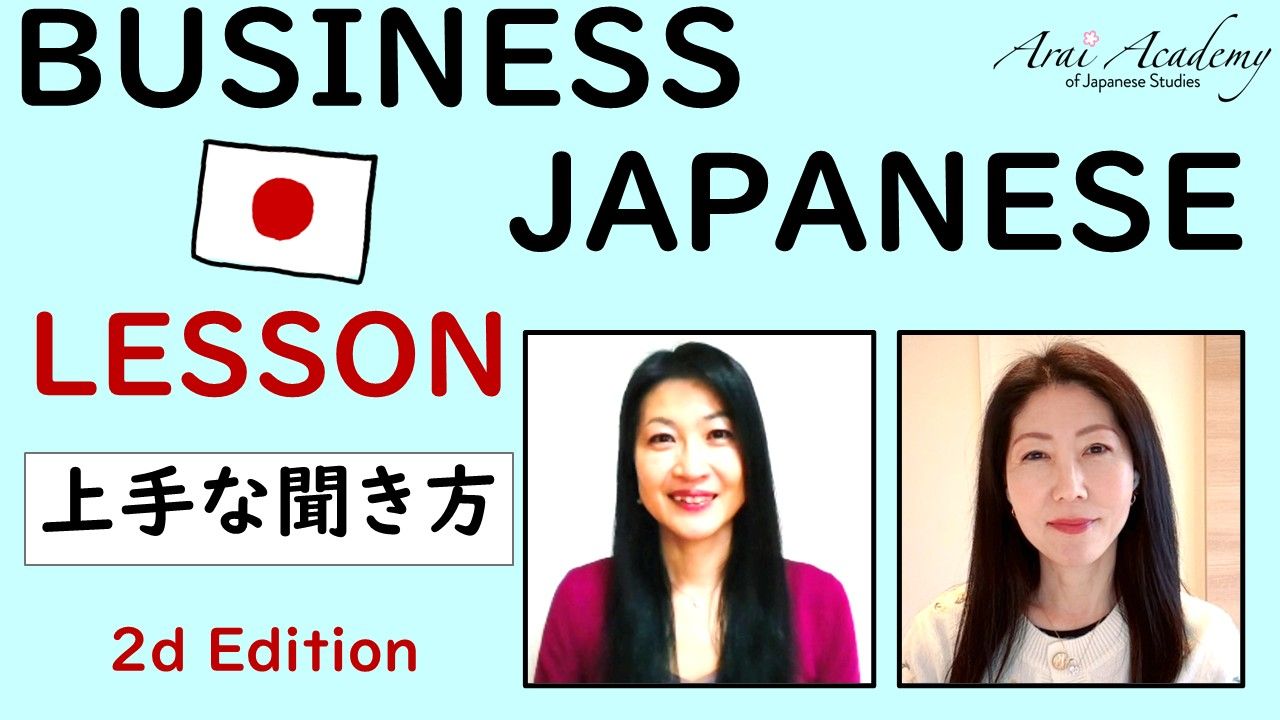
新井:今日のレッスンは日本人がよく使う、上手な聞き方です。 日本人と仕事をする時、とても大切なポイントですね。
Today’s lesson covers effective listening techniques commonly used by Japanese people. These are essential when working with Japanese people.
芳川:はい。ただ聞くだけではなく、「聞いています」と伝えることが大事です。
The point is to understand how show that you’re listening.
新井:どうすれば相手に伝わりますか。
So, how can you let them know that you are listening actively?
芳川:日本では、あいづちが大切です。 「はい」「なるほど」「そうですね」などです。
In Japan, non-verbal cues are as important as verbal expressions like “Yes,” “I see,” and “That’s right.”
新井:あいづちがあると、安心してコミュニケーションできますね。
Having those cues makes communication feel more comfortable.
芳川:逆に、反応がないと、伝わっているかわからないので、不安になりますね。
On the other hand, if there’s no response, they can’t tell if their message got through, which make them feel uncomfortable.
そのほかにも、ときどき相手の話を、もう一度繰り返して言ってみます。 「〇〇ということですね?」と確認します。
In addition, it's also effective to repeat what the other person has said back to them. You can confirm by saying “So XXXX is what you mean, isn't it?”
新井:いいですね。相手が言ったことを言いかえて聞くと、間違いが少なくなりますね。
Nice. If you check by rephrasing what they said in your own words, you can avoid misunderstandings.
芳川:はい。そして、気づかいも大切です。 「大丈夫ですか?」と聞くだけで、印象が変わります。
Yes, and showing consideration is important too. Just asking, “Are you okay?” can make a big difference in giving nice impression of yourself.
新井:では実際に、次の会話でどちらがいいか、一緒に考えてみましょう。 上手な聞き方はどちらでしょうか? ポイントは「あいづち」です
So, let’s think about which one is better in the following conversation. Which is the better way to listen, A or B in each conversation below? The key is to nod in agreement.
<Conversation 1>
新井: 「この書類、ちょっと分かりにくいですね。」
This document is a bit hard to understand.
芳川:A 「わかりました。」
B 「なるほど。そうですね。どの部分が分かりにくいですか?」
A: I got it.
B: Ok, I see. What is not clear?
<Conversation 2>
新井:この問題、どうしたらいいか悩んでいます。
I'm not sure how to deal with this problem.
芳川:A 「そうですね。」
B 「なるほど。そうですね。分かります。一緒に考えてみませんか?」
A: I see.
B: Ok, I see. I understand. Shall we think about the solution together?
会話1と2,どちらもBのほうがいいですね。
B is a better response I both Conversation 1 and 2.
1あいづち、2もう一度言う、3確認する。 この3つを意識するだけで、聞き方が上手になりますね。
1.Non-verbal and verbal reactions. 2.Repeating what they said one more time. Asking and checking what they said. Just by keeping these 3 points in mind, you’ll become a better listener.
次のレッスンではこの練習をします。 また次のレッスンであいましょう
We'll do this exercise in the next lesson and please sign up for the mailing list if you’d like to receive lesson updates.
プライベートレッスンもあります。お試しレッスンはこちらのリンクからお申込みください。
You can take our private lessons. You are welcome to a taster lesson from this LINK.
Arai Academyの新井と芳川でした。また、よろしくおねがいします。
This lesson is originally designed by Arai and Yamamoto from Arai Academy of Japanese Studies, and Yoshikawa is helping with the second edition.
For learners who value quiet, steady growth
Join our mailing list to receive gentle insights, stories, and small encouragements for long‑term learning — at your own pace.
We hate SPAM. We will never sell your information, for any reason.


