My Language Journey: Ups and Downs – Why You Still Can’t Speak
Jun 09, 2026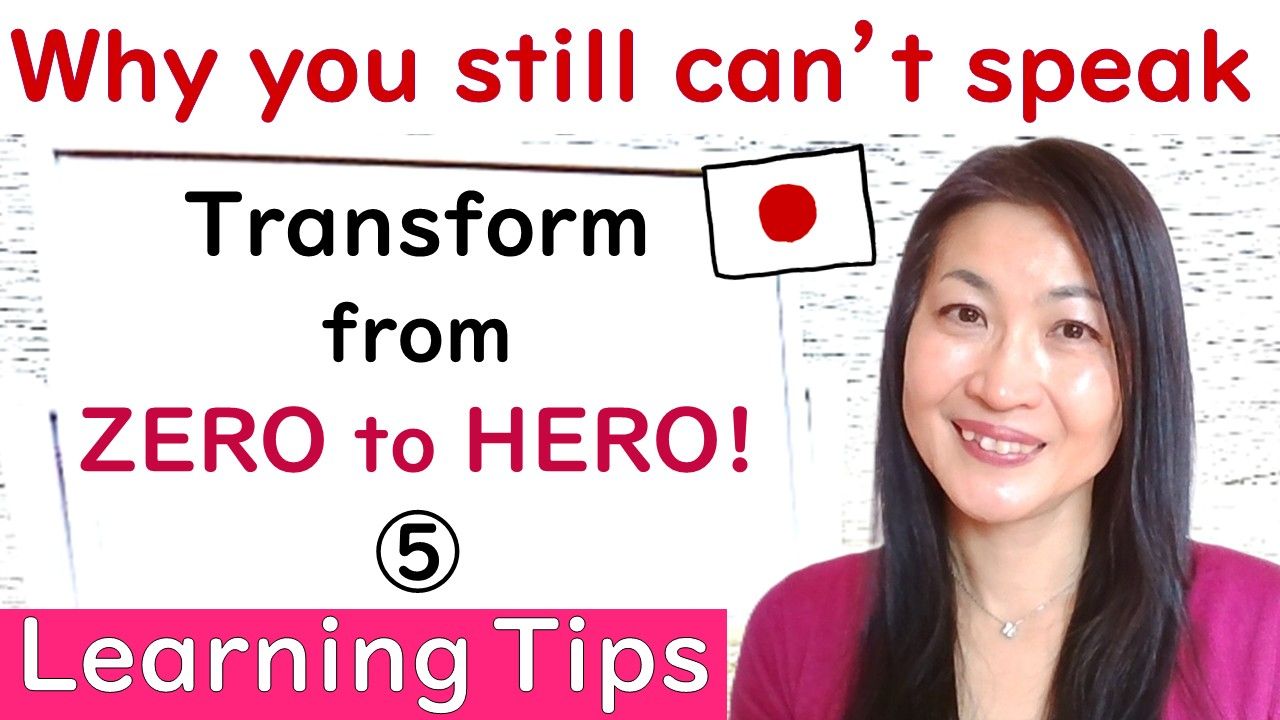
■ Introduction: Why “environment” alone won’t make you speak
Many language learners believe that studying abroad is the key to speaking fluently. I believed this too.
But after returning from my study abroad in Ireland, I realized something that changed my entire approach to language learning— and eventually shaped the Mind=Expression and Learn By Speaking method I teach today.
This article is the fifth chapter in my My language journey: Ups and Downs series. Here, I share what I learned beyond the learning environment, and why this insight is essential for anyone learning Japanese—especially those studying outside Japan.
■ My early fascination with languages
From childhood through university, I was fascinated by foreign cultures. I admired people who could communicate across borders, switch languages effortlessly, and connect with anyone in the world.
I wanted to be that kind of person. I couldn’t give up that dream.
So I studied English seriously. I understood grammar. I memorized vocabulary. I passed exams.
But when it came to speaking, my mind went blank.
I was shy. I feared mistakes. I didn’t want to sound strange. So I stayed quiet.
This is a feeling many English speakers learning Japanese also know well.
■ The study abroad experience I believed would change everything
Still, I wanted to connect with people from different cultures. I wanted to talk, to understand, to share.
So I made a big decision:
I went to Ireland for one month.
I believed that living in an English-speaking environment would finally unlock my speaking ability.
But reality was different.
- I spoke Japanese with other Japanese students
- I couldn’t hold natural conversations with my host family
- Asking a question on the bus terrified me
- Ordering coffee felt like a test
- I knew English—but I couldn’t speak it
I returned to Japan with less confidence than before.
It was painful. But it became the foundation of everything I teach today.
■ The realization: You must change yourself, not just your environment
When I came back to Japan, I finally understood:
★Changing your environment is not enough. You must change your learning approach.
You need the ability to learn on your own. You need the right tools. You need the right kind of input.
And with the right materials, you can learn to speak— no matter where you live.
This realization became the turning point of my teaching career.
■ Seeing the same struggle from the other side
Years later, as a Japanese lecturer in the UK, I met students who were just like me.
British students— confident in their own language, but suddenly silent when speaking Japanese.
They told me:
- “I know the grammar, but I can’t speak.”
- “I understand the words, but they don’t come out.”
- “I freeze when I try to talk.”
- “I’m scared of sounding strange.”
Their frustration was my frustration. Their silence was my silence.
And I realized:
★Japanese people learning English and English speakers learning Japanese are mirrors of each other.
Different languages. Same dream. Same fear. Same struggle.
■ The question that guided my 20 years of teaching
Throughout my career, one question stayed with me:
★“How can someone learn to speak Japanese naturally even if they live outside Japan?”
My students needed more than grammar explanations. They needed more than vocabulary lists. They needed more than “practice speaking.”
They needed:
- natural Japanese expressions
- the feelings behind those expressions
- cultural logic that makes them sound natural
- rhythm and intonation of real Japanese
- explanations that make sense to English speakers
In other words:
They needed high‑quality Japanese input.
■ My Method: Mind=Expression & Learn By Speaking
After years of teaching, observing, and refining, I developed a method built on two essential principles:
🌸1. Mind=Expression
Understanding the Japanese mind behind the words
Most learners focus on grammar and vocabulary, but natural Japanese comes from understanding the mind behind the expression.
Mind=Expression means learning:
- why Japanese people choose certain expressions
- what feelings are behind those words
- how cultural logic shapes “natural” Japanese
- how rhythm and intonation carry meaning
When learners understand the mind, the expression becomes natural.
This is the foundation of high‑quality Japanese input, which is essential for speaking naturally— especially for learners studying outside Japan.
🌸 2. Learn By Speaking
Turning understanding into your own Japanese
Once learners have the right input, they must turn it into their own language.
Learn By Speaking means:
- speaking before you feel “ready”
- expressing yourself with the words you do know
- building fluency through real communication
- developing your own voice in Japanese
When Mind=Expression (deep understanding) meets Learn By Speaking (personal output), learners finally break the barrier between “knowing Japanese” and “speaking Japanese.”
This combination is what makes natural speaking possible —even for learners who live outside Japan.
■ How my materials were born
My method didn’t start as a product. It started in my university classroom over 20 years ago.
I created materials to help my face‑to‑face students understand Japanese in a way textbooks never explained.
To my surprise, they loved them.
They finally understood. They finally spoke. They finally felt confident.
And I realized:
★If these materials could help my students, they could help Japanese learners everywhere— no matter where they live.
So I decided to share them— not as a commercial project, but as a way to support learners who feel the same frustration I once felt.
■ Conclusion: Beyond the environment
Studying abroad didn’t make me speak. But it taught me something far more important:
★Environment alone cannot change you. But the right learning approach can.
Whether you are a Japanese speaker learning English or an English speaker learning Japanese, your struggle is not a personal failure.
It is a universal human experience.
And with the right input, the right guidance, and the right mindset, you can speak naturally— no matter where you live.
If you want to explore the method I developed, you can click Master Speaking Japanese .
Let's grow together!
For learners who value quiet, steady growth
Join our mailing list to receive gentle insights, stories, and small encouragements for long‑term learning — at your own pace.
For learners who value quiet, steady growth
Join our mailing list to receive gentle insights, stories, and small encouragements for long‑term learning — at your own pace.
We hate SPAM. We will never sell your information, for any reason.