
Prologue
Before I share my story, I want to tell you something important. My journey is not only about learning English, my Japanese teaching career, or travelling the world.
It is a story about communication, confidence, and finding a way to speak from the heart. And I believe this story will help you in your Japanese learning— especially if you want to speak Japanese naturally and confidently.
The struggles I faced, the quiet frustrations I carried, and the moments when I almost gave up— these are the same feelings many Japanese learners experience.
That’s why I deeply understand your journey. My story is your story too, and I hope that what I learned will support you.
Chapter 1 — A Quiet Wish to Connect with the World
Chapter 2 — Learning to Speak from Zero
Chapter 3 — The Moment I Found My Voice
Chapter 4 — Communication Is Not Language
Chapter 5 — Why We Lose Confidence When Speaking
Chapter 6 — The Quiet Power of Expression
Chapter 7 — What I Learned from Teaching Hundreds of Learners
Chapter 8 — Speaking Japanese Is Not About Grammar
Chapter 9 — The Philosophy Behind My Teaching
+ A Quiet Message for You
Chapter 1 — A Quiet Wish to Connect with the World
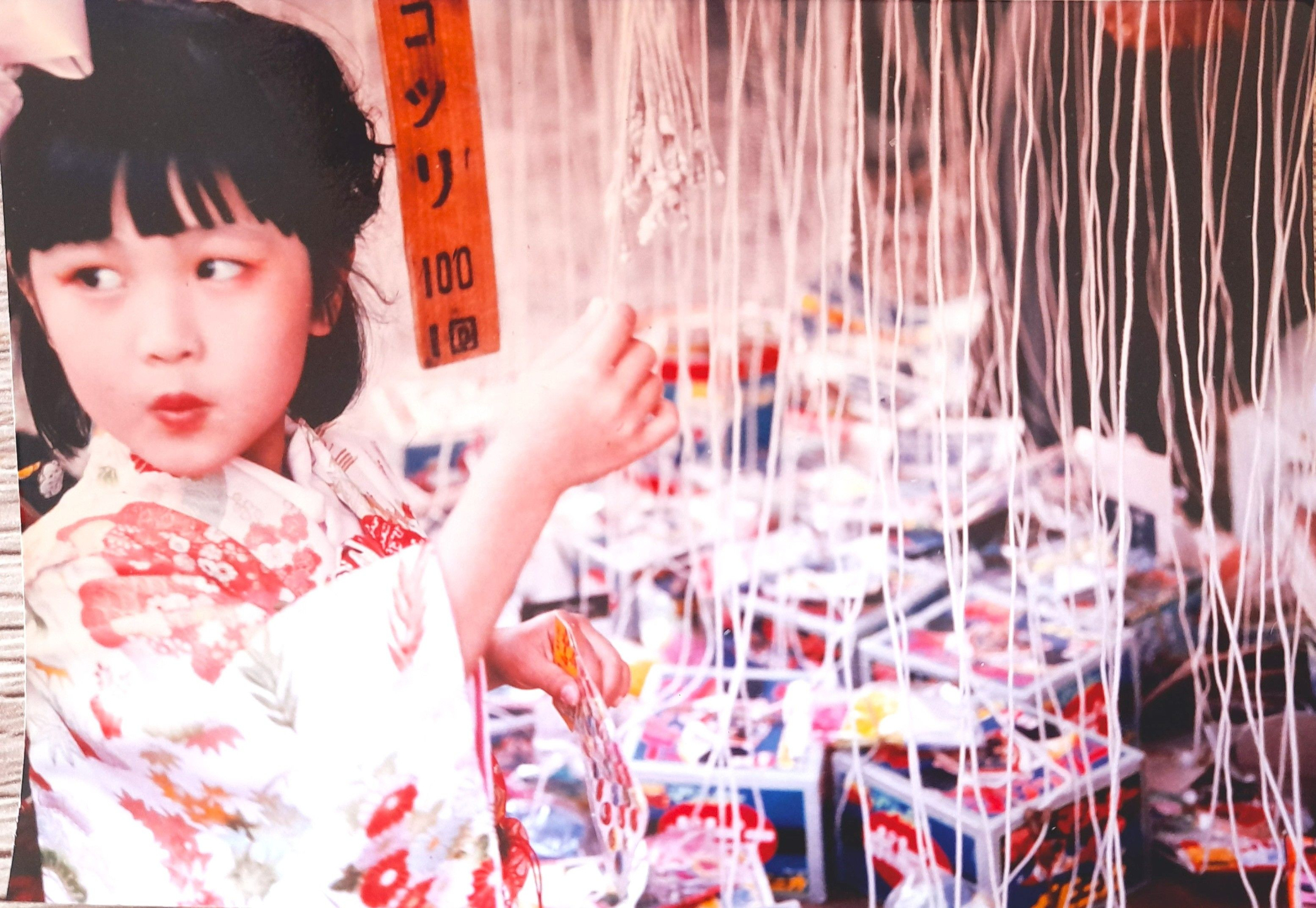
I grew up in Shizuoka, surrounded by Mt. Fuji, green tea fields, and the quiet Pacific Ocean.
In my hometown, I was never exposed to another language or culture. There were no foreign speakers, no international events, and I didn’t have any interest in foreign languages at all.

But even in such an environment, I remember being fascinated by things that were different from my everyday life. TV programs about pyramids in Egypt, the Nazca Lines in Peru, and especially a Chinese cultural exhibition held in Shizuoka — those moments felt strangely special to me as a child.
I didn’t know any foreign languages, and I didn’t think about learning them. But I clearly remember enjoying those small windows into a wider world.
As a teenager learning English, however, I couldn’t speak at all. There were no foreign speakers, no conversation practice, and no guidance on how to speak naturally.
At school, I memorised phrases without any logical understanding, just to pass tests. My English teachers couldn’t speak English, and there was no speaking practice. To be honest, I didn’t find English classes interesting at all.
When I turned seventeen, something shifted.
I realised that even though I didn’t enjoy “learning a language,” I still wanted to connect with the world.
At that time, I didn’t understand anything about communication or expression. I just felt that if I wanted to connect with people outside Japan, I needed to study English properly — that learning English would be the first step toward communication.
So I picked up my old junior‑high textbook and started again from the beginning. I spoke each sentence aloud — slowly, quietly, gently — not because I understood the deeper meaning of communication, but simply because I believed that studying English was the only way forward.
I didn’t yet know how communication really worked. I didn’t know how important “speaking” or “expressing myself” would become later. But deciding to learn English seriously was a big change for me — a quiet turning point that opened the first small door to the world.
I kept studying after graduation. Not perfectly, not fluently, but genuinely.
I tried to learn alone, but self‑study speaking felt impossible. I wanted to speak, but the words stayed inside me. That quiet frustration stayed with me for years.
Many times, I was about to give up. But every time, a small voice inside me said, “I still want to speak English fluently.”
I couldn’t let go of that wish.
It was a tough time, but now I’m grateful I didn’t give up. I had no confidence, but I kept studying English every single day.
Eventually, I found my own way to learn more effectively. Looking back, I wish I had clarity, gentle guidance, and a way of learning that respected how my mind works.
This quiet beginning became the foundation of my communication philosophy — and later, the heart of how I teach Japanese speaking today.
I grew up seeing Mt. Fuji every day. For me, it was just part of the landscape — so familiar that I never thought of it as something special. I honestly believed that everyone in Japan could see Mt. Fuji, because on TV, especially during New Year’s greetings, the image of Mt. Fuji was always shown. It felt like a national “everyday scene.”
But when I turned twenty, I realised something surprising: most people in Japan cannot see Mt. Fuji from where they live. What was “ordinary” for me was actually one of the most iconic and beloved images of Japan.
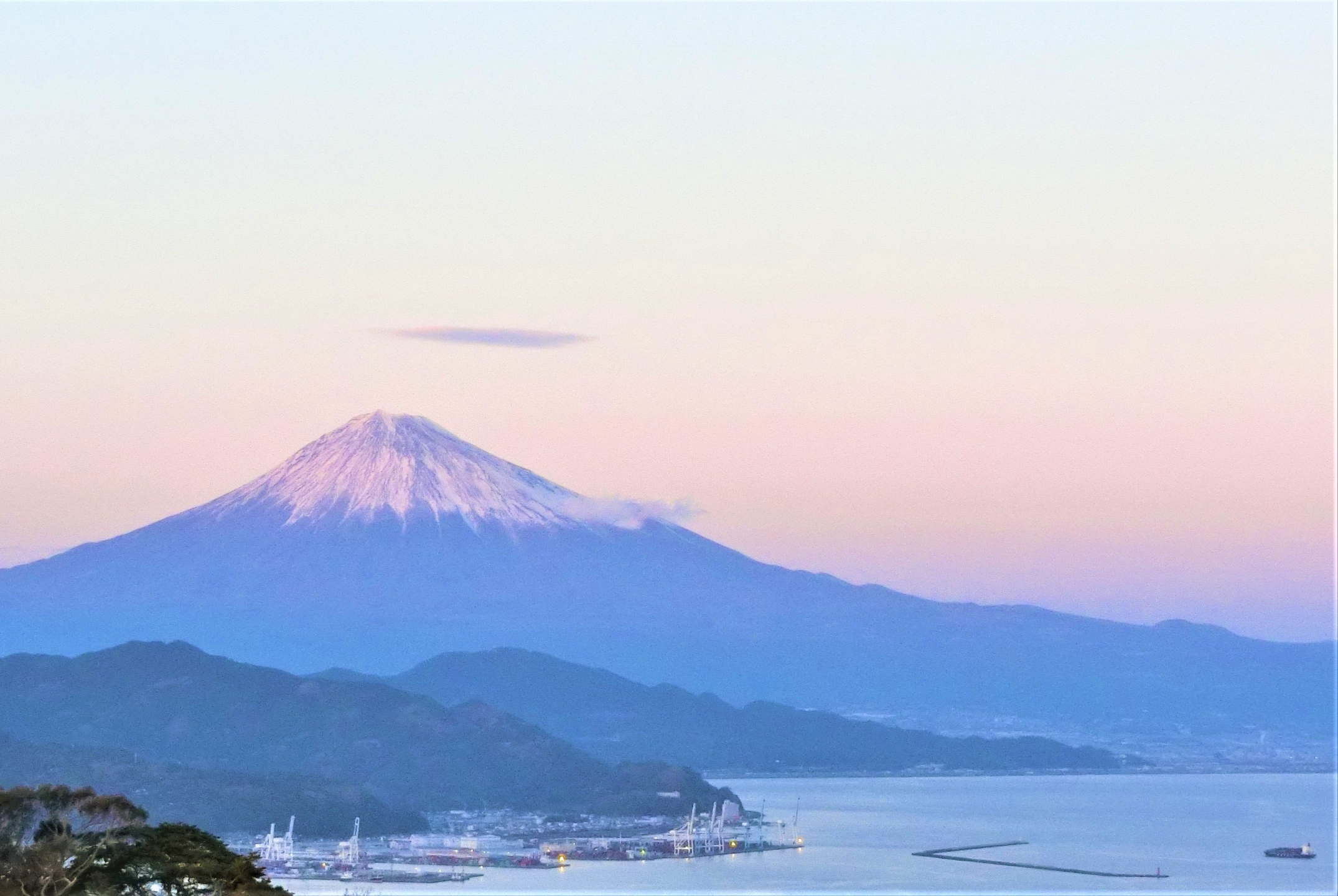
Now that I live in the UK, I understand even more deeply how extraordinary that was. Mt. Fuji isn’t just a Japanese symbol — it’s loved all over the world. And I grew up with that view as my everyday backdrop.
That quiet realisation changed how I saw my own beginning. I didn’t know it then, but my childhood was shaped by a landscape that carried both calmness and cultural depth — a starting point that would later influence how I understand communication, culture, and expression.
Chapter 2 — When the Mind Moves, Language Follows
Before I went to New Zealand, I spent one month in Dublin for a short language stay. I hoped that living abroad would give me confidence, but the opposite happened.
In class, I ended up speaking Japanese with my Japanese classmates. On the bus, I wanted to ask for directions, but the words wouldn’t come out. I froze every time I needed English. Instead of gaining courage, I avoided speaking as much as possible. I felt ashamed of myself— I had come all the way to Ireland, yet I couldn’t speak at all.
And still, somewhere deep inside, I had a quiet wish: “Wouldn’t it be wonderful if I could talk with people from other countries?” That gentle feeling made me start to admire the idea of becoming an English teacher, even though I could barely speak the language myself. I simply wanted to connect with people from around the world.
That small wish became the only thing that kept me moving forward. It didn’t make sense logically, but it felt true in my heart.
🌿 New Zealand — A Journey to Change My Mind
So I made a decision. I would go to New Zealand for a full year on a working holiday. I wanted to change my environment, but more than that, I wanted to change my mind.
When I arrived in New Zealand, I realised something immediately: most Japanese people stayed in Japanese restaurants, worked with Japanese colleagues, lived with Japanese friends, and spoke almost no English. Many of them returned to Japan after a year without being able to speak at all.
I didn’t want to repeat that. I didn’t want Dublin to happen again.
🌸 The Moment My Mind Shifted
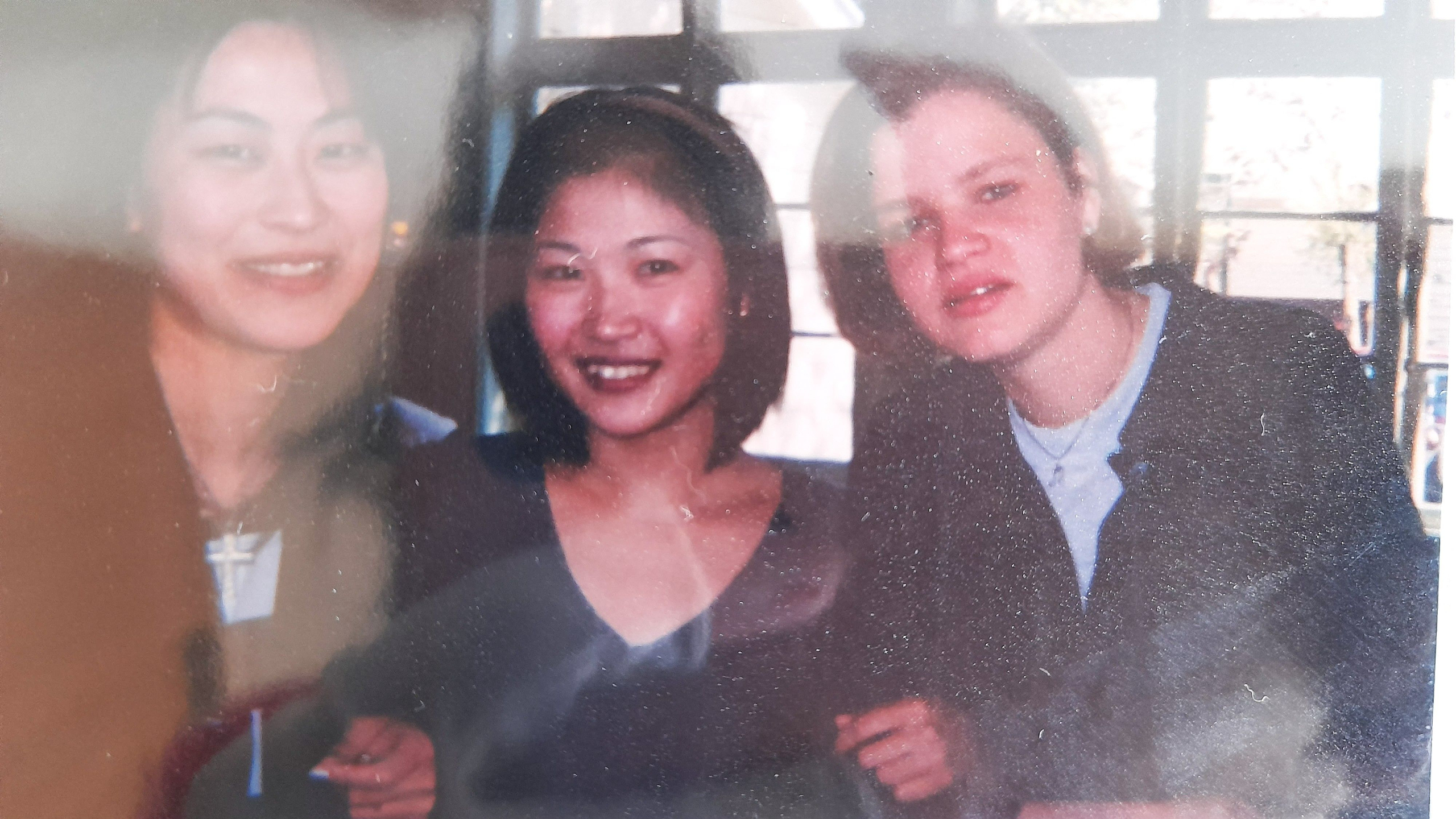
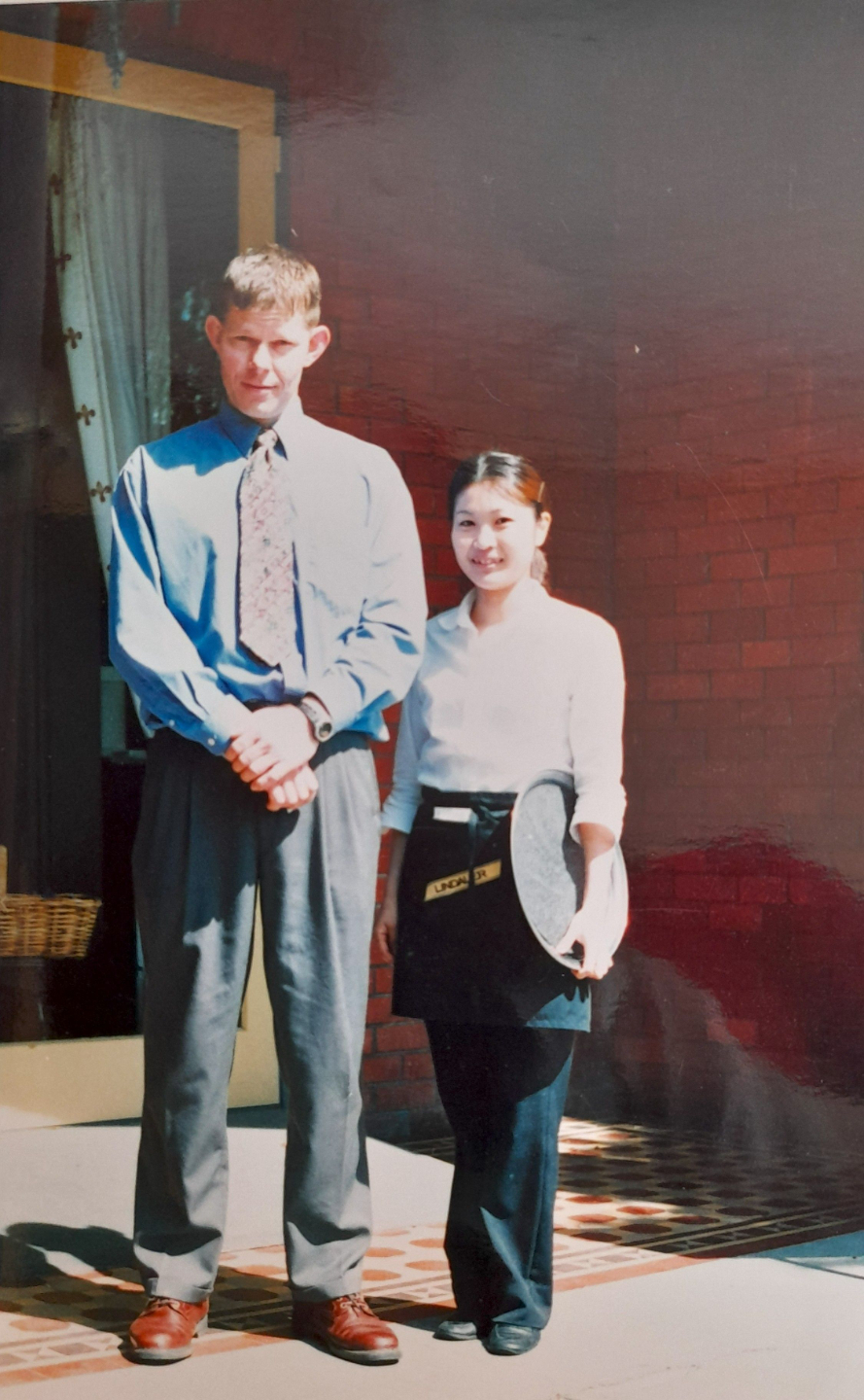
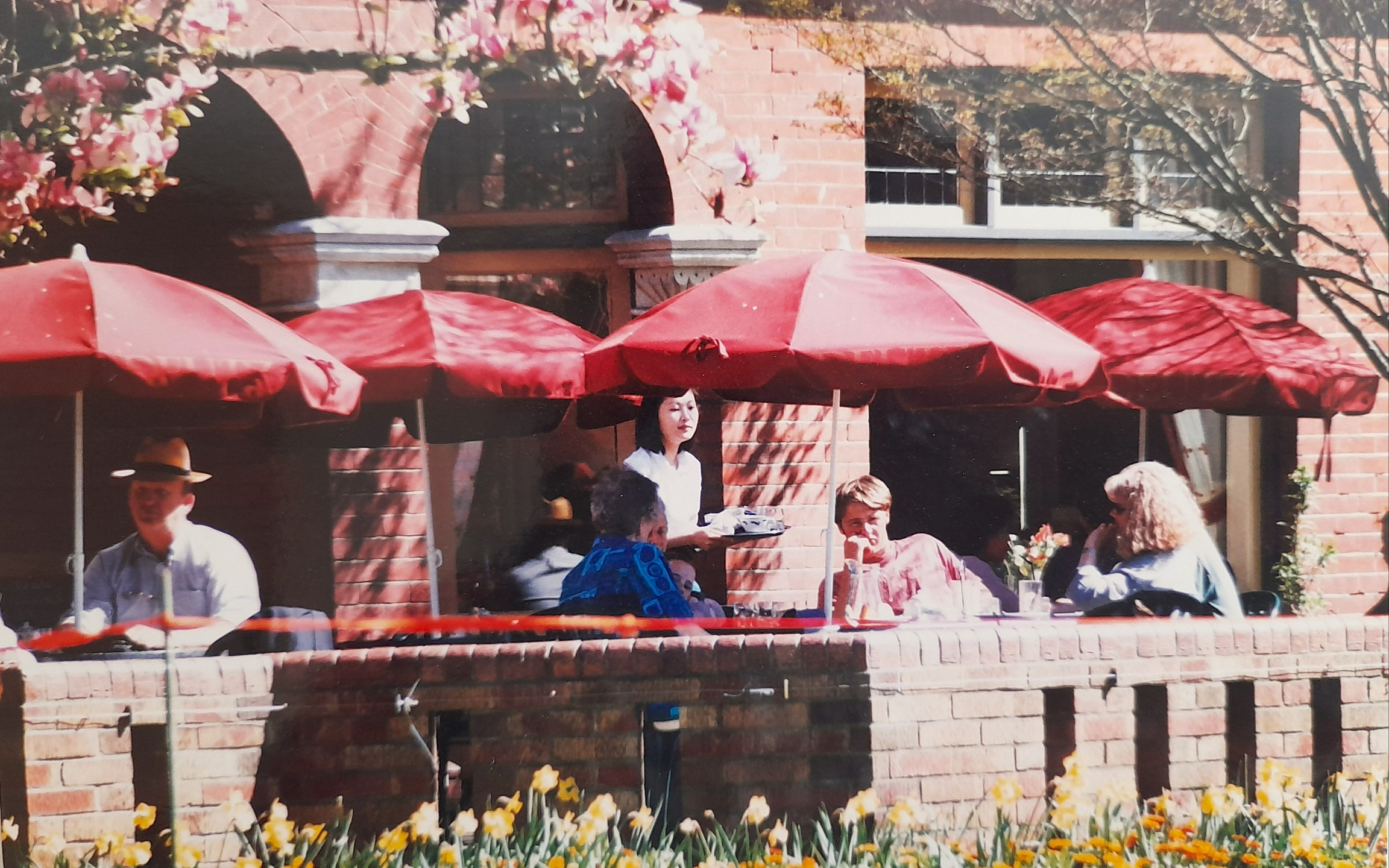
So I chose a restaurant where there were no Japanese staff. The interview was in English. I was terrified, but I told myself: “I came here to speak. I won’t run away again.”
I spoke English to Japanese classmates at school. I lived with New Zealanders. I searched for accommodation in English. Every day, I pushed myself gently but consistently toward the life I wanted.
And slowly, something changed. Words began to come out. Not perfectly, not fluently, but naturally. My mind was opening, and my language followed.
🌙 The Truth That the Heart Moves Language
In New Zealand, I learned something essential: language doesn’t move because you study harder. Language moves when your heart moves. When your mind opens, your words begin to flow.
This experience became the foundation of my Japanese communication philosophy— and the reason I teach Japanese speaking with clarity, gentle guidance, and a deep respect for how each learner’s mind works.
🌕And This Was Where My Path to Becoming a Japanese Teacher Began
When I went back to Japan, I was truly happy— I had made my dream come true. I became an English teacher in Shizuoka.
Later, some native English teachers asked me questions about Japanese. I explained a few things, and that small moment changed my life. It was the first time I realised that teaching Japanese could be meaningful. In that moment, I found my next dream.
Everything began from being an English teacher— and from wanting to connect with people from around the world.

Chapter 3 — Backpacking: Why Imperfect Language Still Connects People
After traveling through several Asian countries, I eventually arrived in India. I visited the Taj Mahal, rode a small boat on the Ganges, and even went to the Himalayas. I enjoyed every moment— but I also felt something heavy in my heart.
Many people in India dream of being buried in Varanasi, a sacred place where life and death meet. And yet, I was freely traveling everywhere, as if the world belonged to me. It made me think deeply about life, meaning, and the weight of existence.

🌿 Rishikesh — The Place Where My Heart Opened
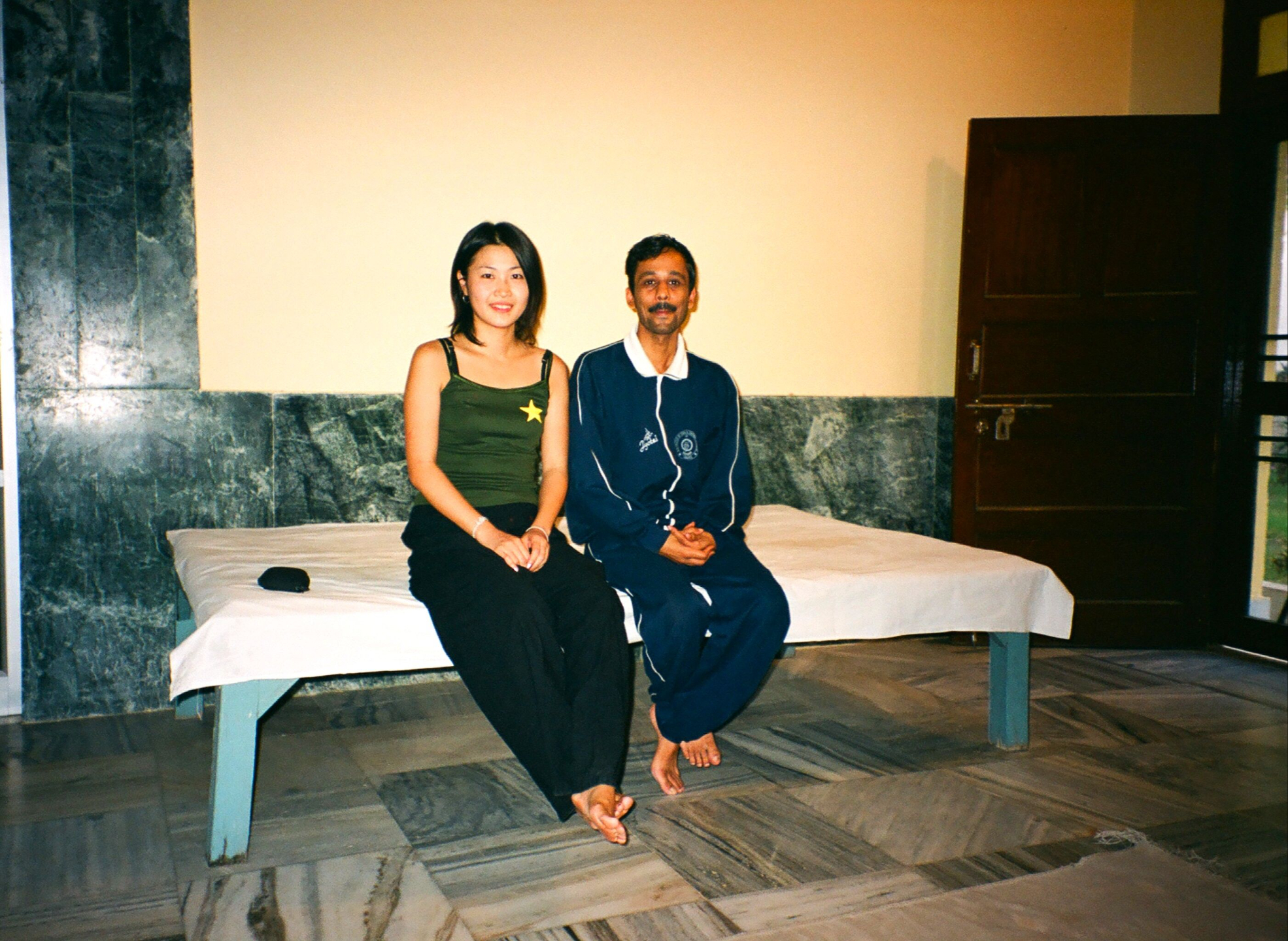
I spent three weeks in Rishikesh, a town known for its ashrams. Every morning, yoga started at 4:30. Two sessions of yoga, meditation, and a lecture from the guru after lunch.
The lectures were often about the Big Bang, about how everything began from one point, and how everything is still one. At first, I didn’t understand it. It sounded too big, too abstract.
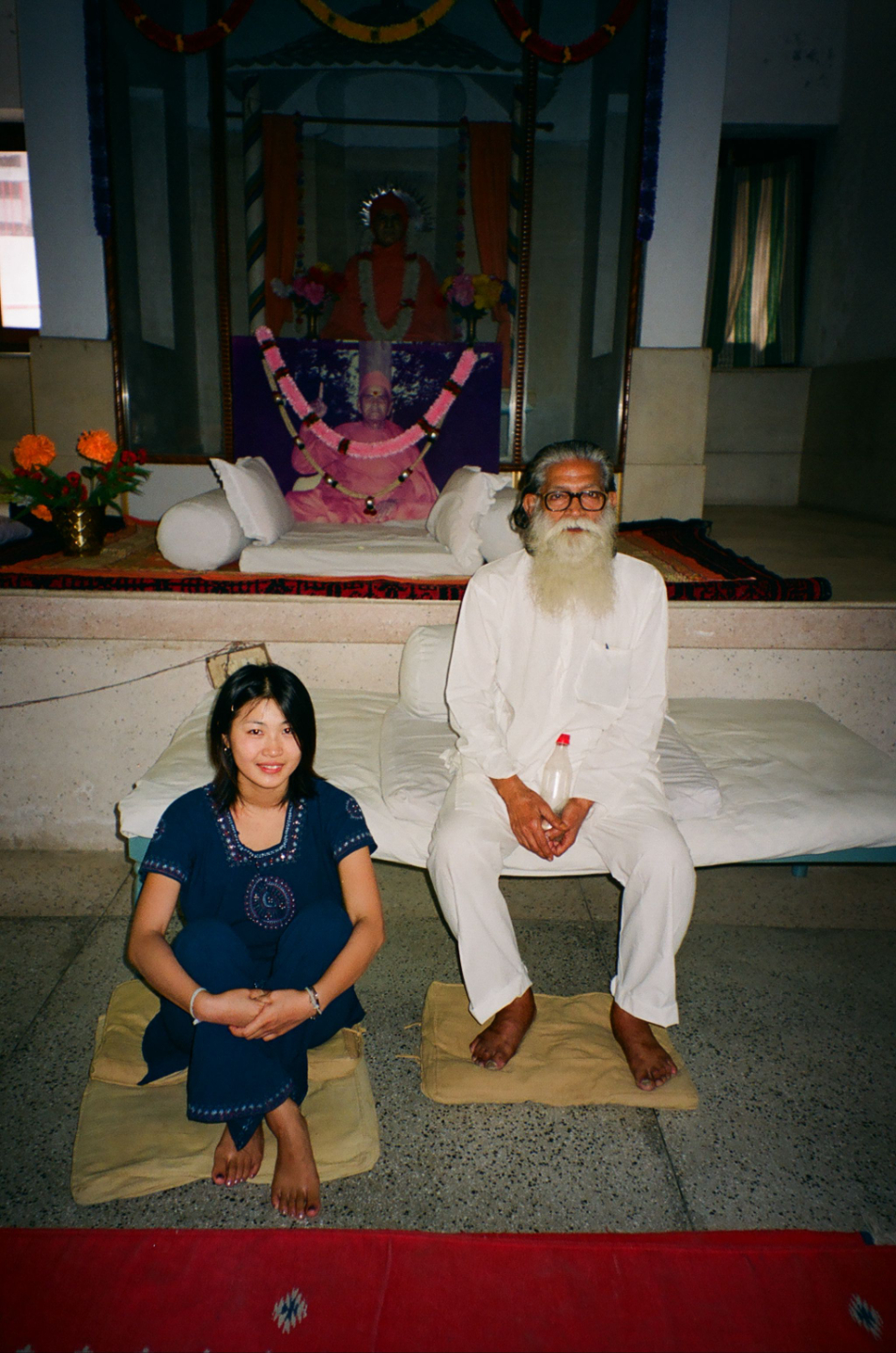
But one day, while listening to the guru and watching the river flow outside, I suddenly felt it. Animals, people, nature— everything was one. Not as an idea, but as a feeling.
In India, people often call strangers “My brother” or “My sister.” I finally understood why. It wasn’t a metaphor. It was their truth.

🌸 And Then Europe — The Moment I Realised the Heart Matters More Than Language
After India, I continued my journey and traveled through Europe. There, I experienced two moments that shaped my understanding of communication even more deeply.
One day, I asked someone for directions in English. The person looked at me and said, “No English!” in English.
I was shocked. I wondered, “If I spoke their language, would they help me? Is English not allowed here?”
But then I realised something important: language is not the problem. The real problem is the attitude behind the communication.
🌿 The Opposite Experience — A Moment When Connection Happened Without Language
Later, in a small village in Germany, I stayed at a tiny guesthouse. The owner spoke only German. I spoke none of it.
And yet, we talked. With gestures, with smiles, with photos, with a map of the village.
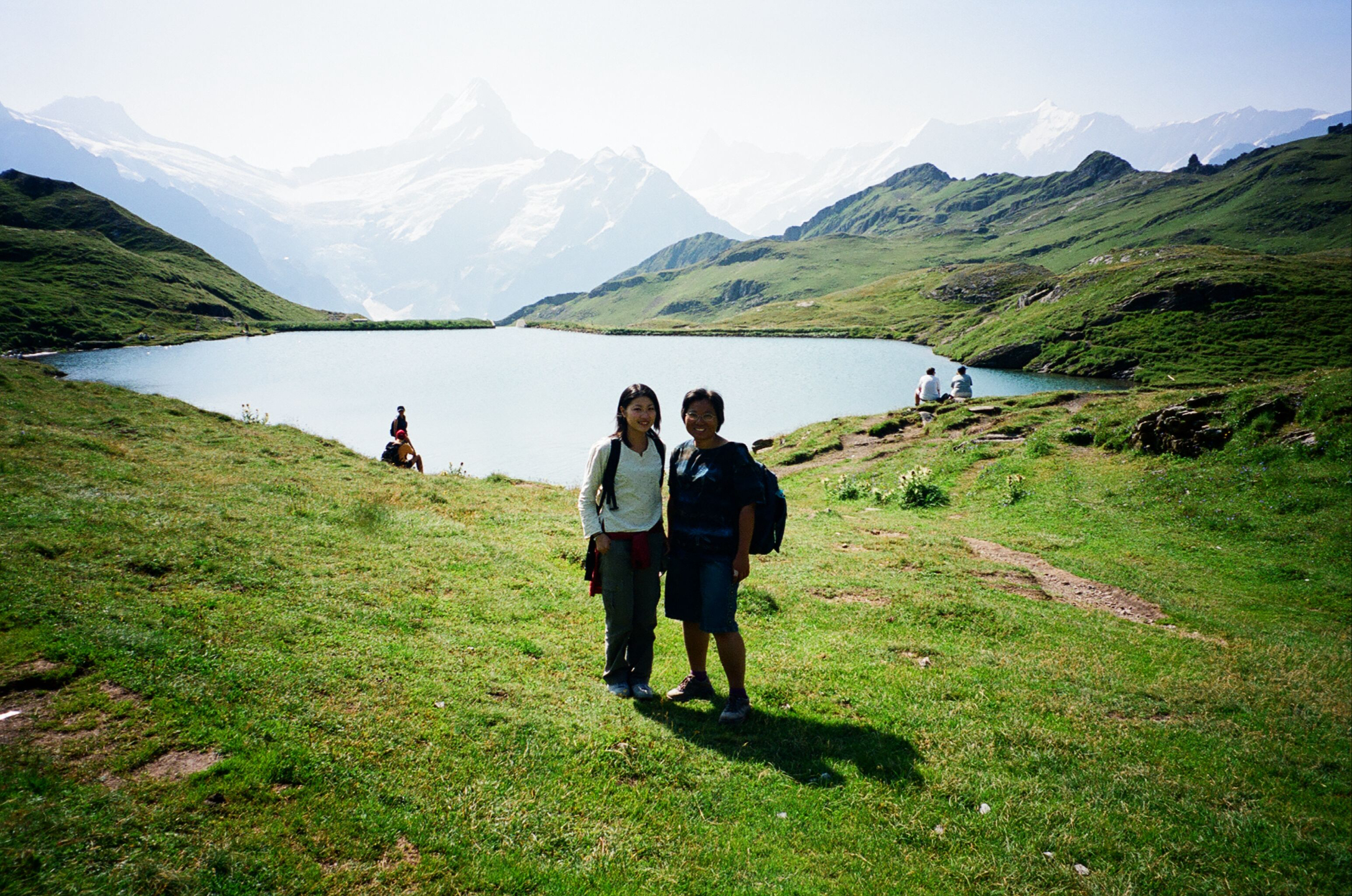
I showed her where I went that day, what I saw, what I enjoyed. She listened with joy, nodding, laughing, and responding with gestures of her own. In that quiet village, with no shared language, our hearts connected.
🌙 My Message for Japanese Learners
These experiences taught me something essential: You don’t need perfect language to connect. You only need a heart that wants to understand and a heart that wants to be understood.
Language follows the heart.
Always.
Chapter 4 — When Culture Opens the Heart
Turkey has been a special place in my life. I first visited for a week in 2009 with a friend, then again in 2010 with my family. Years later, from 2022 to 2025, I returned alone three times and spent a total of seven months in Istanbul. Each visit opened my heart in a different way.
🌿 A Village Evening I Will Never Forget
When I travelled with my family, we stayed in a small village near Troy. Most tourists stay in the larger nearby towns, but we chose the village. One evening, while chasing the sunset, we greeted a farming family walking toward us. That simple greeting changed everything.
They invited us to their home, spread carpets outside, and suddenly dinner appeared in front of us. We spent hours talking— laughing, sharing stories, and enjoying each other’s company.
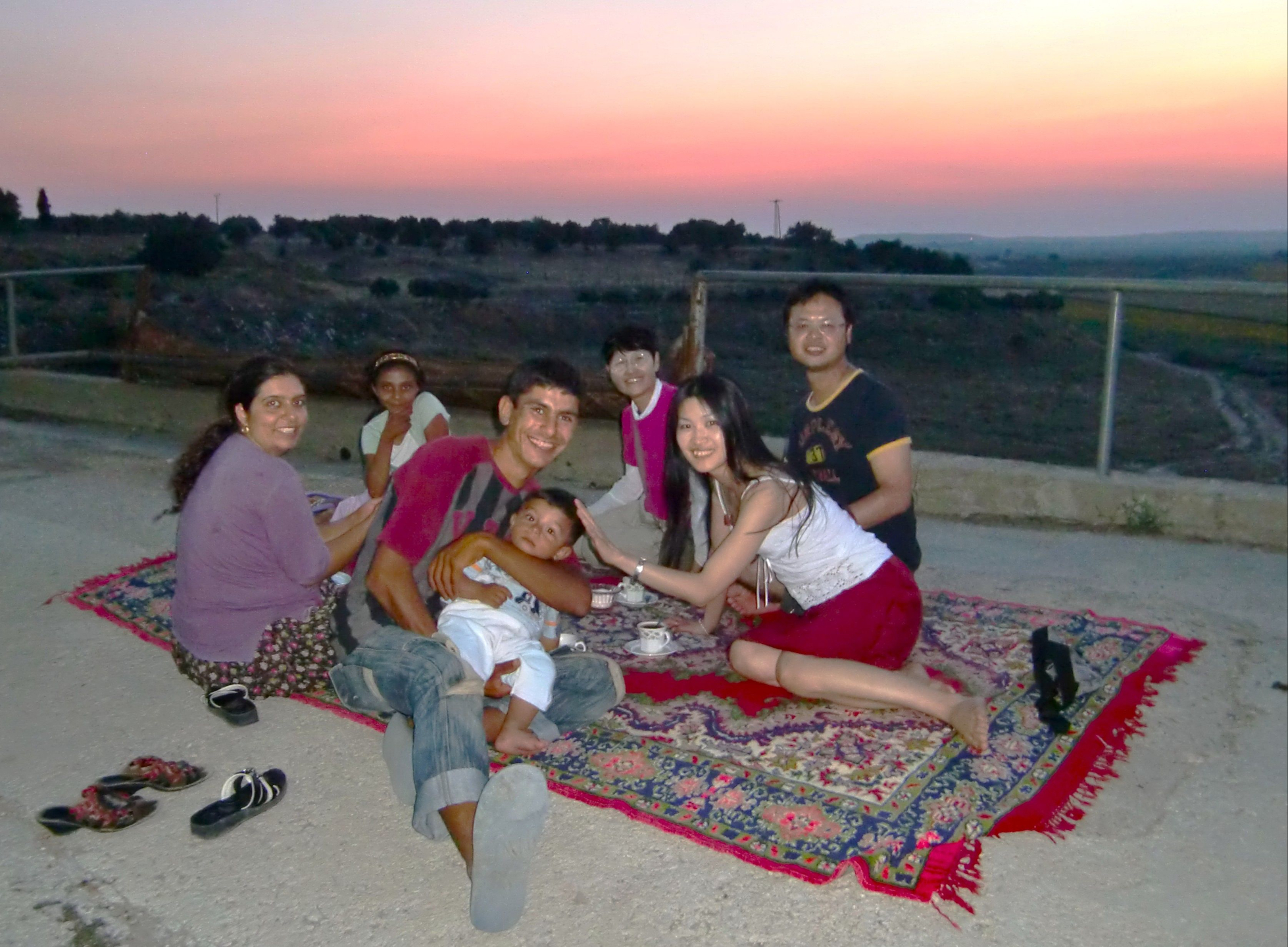
More and more family members joined us. Two daughters disappeared for a moment and returned wearing traditional costumes, smiling proudly as they showed them to us. We drank Turkish tea, told stories with gestures, and laughed until our faces hurt.
We had no common language. And yet, somehow, we understood each other deeply. We even managed to exchange addresses, and later I sent them the photos we took together.
That evening taught me something important: when the heart is open, language is not necessary. Connection happens anyway.
🌸 Istanbul — A City Where Cultures Become One
During my solo stays in Istanbul, I felt something different— a quiet, powerful beauty in how cultures blend.
Roman and Byzantine history, Middle Eastern traditions, Greek influence— all mixed together in architecture, food, drinks, interior design, clothing, and daily life.
We had no common language. And yet, somehow, we understood each other deeply. We even managed to exchange addresses, and later I sent them the photos we took together.
That evening taught me something important: when the heart is open, language is not necessary. Connection happens anyway.

🌙 Morocco — Where Even a Greeting Carries a Philosophy
In 2026, I spent the end of March to early May in Morocco— a recent chapter of my journey that opened my heart even further. I had always thought Moroccan people were mostly Arabic, but then I learned about the Berber people— the cultural heart of the country.
Many Berbers speak two completely different languages, Arabic and Berber, and French is everywhere— on menus, in shops, even people asking for money spoke French. The multilingual reality fascinated me.
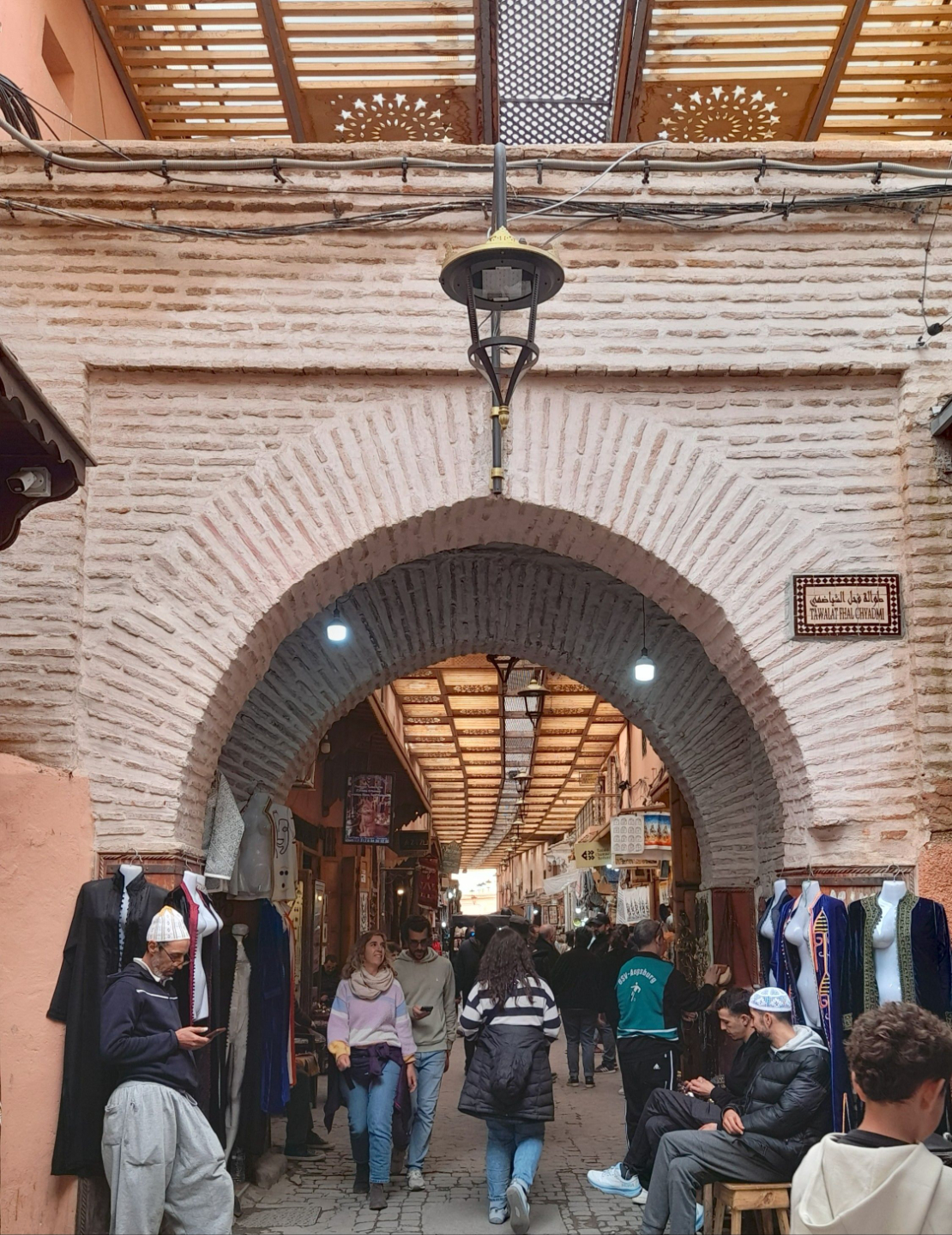
Another thing that deeply impressed me was the language on the streets. Most road signs and building names were written in at least three languages— Arabic, Berber, and French. I had never seen a country like that. It felt as if the government was consciously protecting and honouring its languages.
But what touched me most was their greeting. “Hello” in Arabic is salam. “Hello” in Berber is azul. Different words, different languages— but both mean peace.
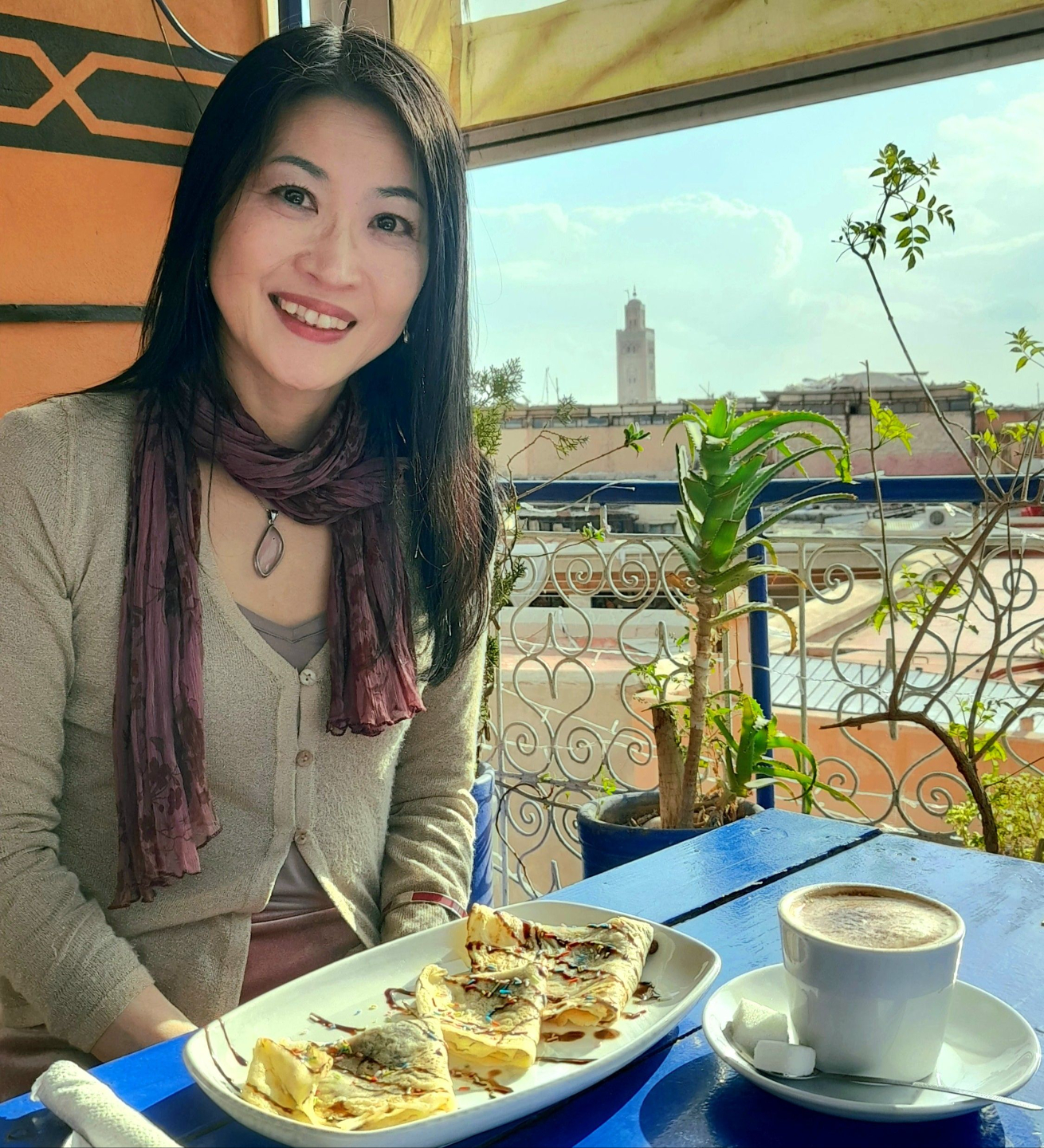
I had never known such a beautiful greeting existed. It made me realise how deep a culture can be. And it made me reflect on Japanese— how “konnichiwa” feels a bit shallow in comparison…
Morocco showed me that a single word can carry a whole philosophy. A greeting can be a wish, a hope, a bridge between hearts.
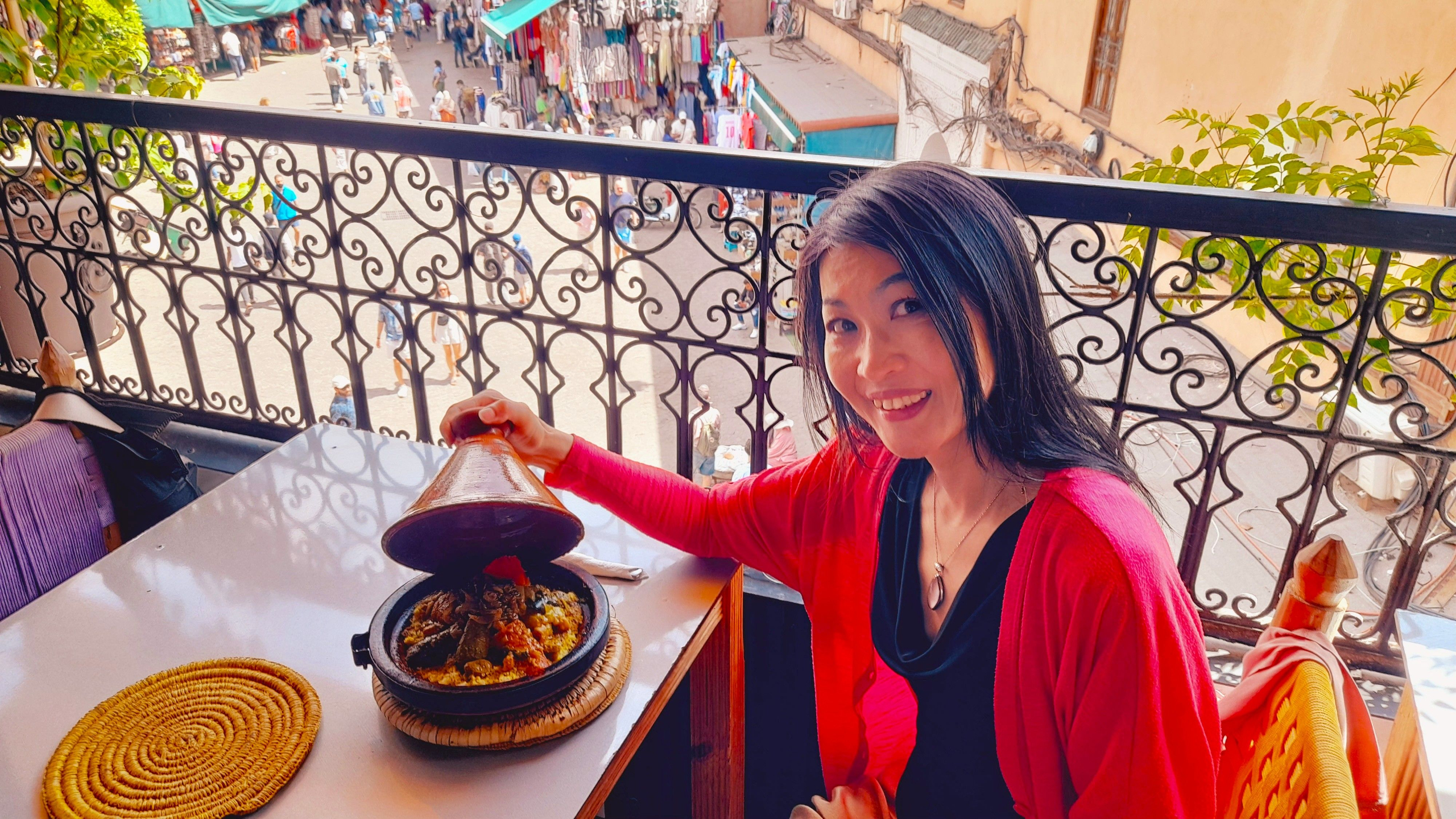
🌕 Culture Opens the Heart — And the Heart Opens Language
Turkey showed me warmth. Morocco showed me depth. And together, they confirmed what I had felt in India— that connection begins from the heart, not from language.
These experiences became the foundation of how I teach Japanese today: with clarity, gentleness, and a deep respect for the heart of each learner.
All of these moments became part of me. They softened my heart, shaped my eyes, and quietly transformed the way I teach. I learn from life, I listen to the heart, and I pass those lived moments on through language— helping others find the inner key that opens connection. This is my way— learning by living, and expressing from the heart.
Chapter 5 — Learning How to Open My Heart in a Different Culture (UK)
🌿 Arriving in a Completely Different World
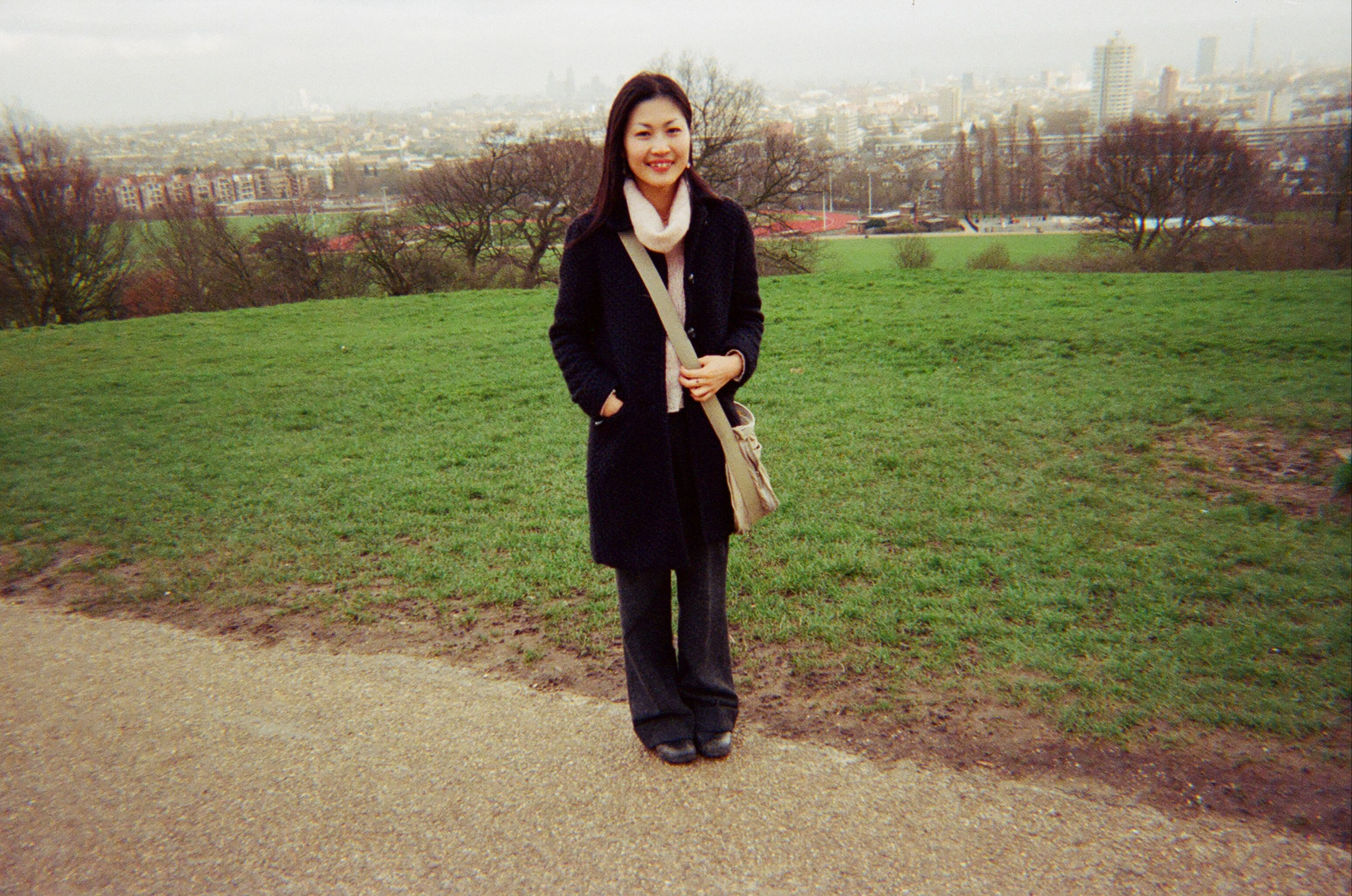
I arrived in the UK in September 2003, right after finishing my seven‑month backpacking journey from Asia to Europe. I chose the UK because, during my time in New Zealand, I had met many British people— and they were always kind to me. Growing up in the East, I wanted to place myself in a completely different Western world and learn through experience.
🌸 Facing the Waves of a New Culture
But in the beginning, I understood almost nothing. I was thrown into the waves of a new culture, trying to survive as an international student in London. I didn’t know how to keep distance with British people, and I didn’t know how close or far to be with Italians, French people, and all the others living in the city. Everything felt unfamiliar.
Slowly, I began to understand how to connect with people from different countries. As a student, I had to learn not only academic English, but also how to build relationships with classmates, teachers, flatmates, and people from cultures I had never encountered before.
It was overwhelming. And painful at times. I lost many friendships along the way.

🌙 The Realisation That Changed My Teaching
But through those experiences, I learned something essential:
Before language, there is a foundation— a mindset, a curiosity toward the other person’s culture, and a willingness to open your heart. Without that foundation, communication breaks down no matter how good your language is.

🌙 The Realisation That Changed My Teaching
But through those experiences, I learned something essential:
Before language, there is a foundation— a mindset, a curiosity toward the other person’s culture, and a willingness to open your heart. Without that foundation, communication breaks down no matter how good your language is.
🌕 Why I Teach Japanese Communication First
This is why, when I teach Japanese today, I start with the foundation of Japanese communication— body language, how to listen nicely, showing warmth through small gestures, and paying attention to the atmosphere. These things matter just as much as words— sometimes even more.
I teach these first because I want my students—like my British learners— to be able to connect with Japanese people without experiencing the pain I went through. I want them to feel understood, to feel welcomed, and to enjoy communication instead of struggling with cultural distance.
When students learn these foundations, their communication with Japanese people becomes smoother than those who only know vocabulary and grammar. A language lesson begins to feel like a cultural lesson. Every class becomes a discovery. And students enjoy learning deeply, with curiosity and joy.
Chapter 6 — Becoming a Japanese Teacher in the UK
6.1 Finding My First Teaching Opportunity
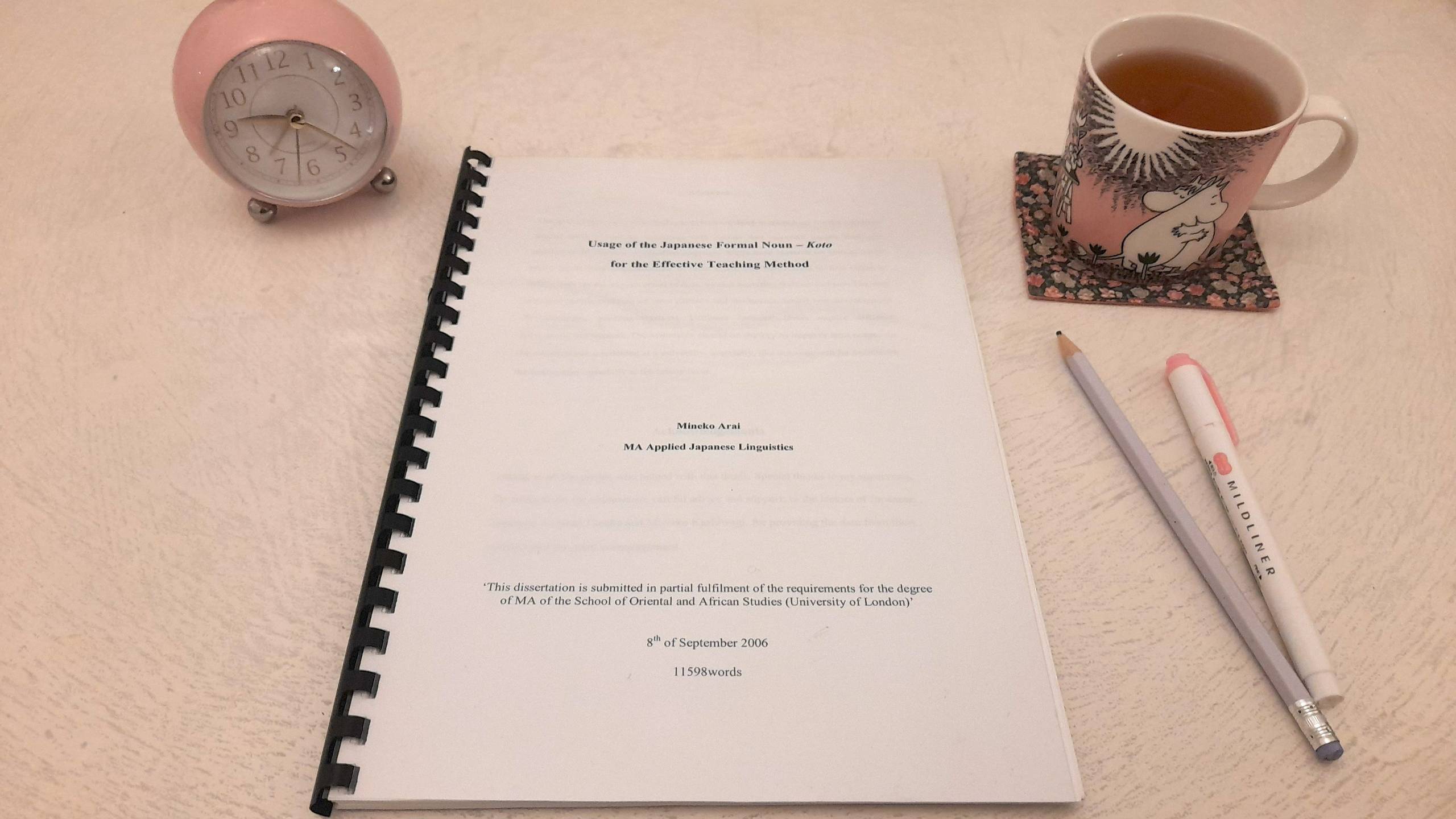
When I decided to teach Japanese in the UK, I quickly realised that I needed a full‑time position to obtain a work visa. While writing my dissertation at SOAS, I searched desperately for a job that would allow me to stay in the UK as a Japanese teacher.

But full‑time posts were almost nonexistent. I wondered if I had to return to Japan—yet I couldn’t imagine going back to teaching English again.
Just when I felt I was standing at a crossroads, I found a rare job posting at a university in Yorkshire. The position required at least two years of teaching experience at the UK higher education, but I didn’t want to eliminate my chances before even trying. I wanted to turn zero into one percent.
It became my first job application in the UK. With the help of British friends, I wrote my CV and cover letter while still working on my dissertation.
I was exhausted, but I knew I had to try. When I passed the document screening, I couldn’t believe it.
My professors supported me as I prepared for the interview— a morning teaching demo, lunch with the staff, and an afternoon interview. I had no experience, but I wanted them to see my determination.
On the way back to London, standing on the station platform, I received a phone call. They offered me the position.
I couldn’t believe it. In that moment, I felt that my effort—and the kindness of everyone who helped me—had opened the door to the life I have today. I also felt deep gratitude to the university for choosing me.
In my first years there, I often struggled and couldn’t do many things well yet, and I’m sure I caused inconvenience at times.
But they still gave me the chance to begin my career. Because they offered me that opportunity, I was later invited to teach at SOAS and King’s College London.
Everything that followed in my life began from that single decision they made.
6.2 Meeting My First Students
My first students were university learners—from first‑year undergraduates to fourth‑year students.
When I met them, I felt the weight of everything that had led me to that moment— the difficult job search, the kindness of the people who helped me, and the chance I had been given to stay in the UK as a Japanese teacher.
They were curious, sincere, and eager to understand Japan beyond the surface. Seeing their faces on the first day made me realise how precious this opportunity was.
I wanted to do my best for them— not only because I was their teacher, but because so many people had supported me so I could stand in that classroom.
6.3 The Moment I Realised I Had Become a Teacher
In September 2006, I submitted my MA dissertation at SOAS and began teaching at the university in the very same month. Everything happened so quickly that I didn’t feel like a “teacher” yet. It didn’t feel real.
But then came the first day. I stood at the front of the classroom, looked at the students sitting in front of me, and something shifted inside me.
“I have become a Japanese teacher.”
Not because of the job title, but because there were learners right in front of me— trusting me, listening to me, beginning their journey with me.
6.4 Teaching With Purpose
The start was actually very tough. I couldn’t teach well yet. I wasn’t used to the town. Everything in my life was new— a new university, new colleagues, a new home, and no friends in the city. I felt lonely, uncertain, and overwhelmed.
But at the same time, I was filled with joy. For the first time in my life, I had a dream. I had a purpose. And I wanted to do my best.
In those early days, I realised that teaching Japanese was not just about language. My students needed support in understanding how Japanese people think, how they communicate, and how they build relationships. I wanted to guide them gently, so they wouldn’t feel lost in Japanese culture the way I once felt lost in British culture.
So I began teaching in a way that helped them feel safe and confident— showing them how Japanese people express warmth, how to listen with kindness, and how small gestures can open the heart of a conversation.
I wanted my students—like my British learners— to feel understood, to feel welcomed, and to connect with Japanese people without struggling through the same cultural distance I had faced.
Three years later, when I returned to London, I began teaching students at King’s College London and SOAS as well. Each group had its own personality, but they all shared the same quiet determination to understand Japanese language and culture deeply.
And slowly, I saw them grow. Their communication became smoother, their confidence stronger, and their joy deeper. Every lesson felt like a small discovery— for them, and for me.

Chapter 7 — Growing as a Japanese Teacher in London
7.1 Returning to London
Three years after beginning my teaching career in Yorkshire, I returned to London. It felt like coming back to a familiar place— a city where I had once struggled, learned, and grown. But this time, I was not a student. I was a teacher.
I began teaching at King’s College London and SOAS, working with students who were deeply curious about Japan and eager to understand the culture behind the language.
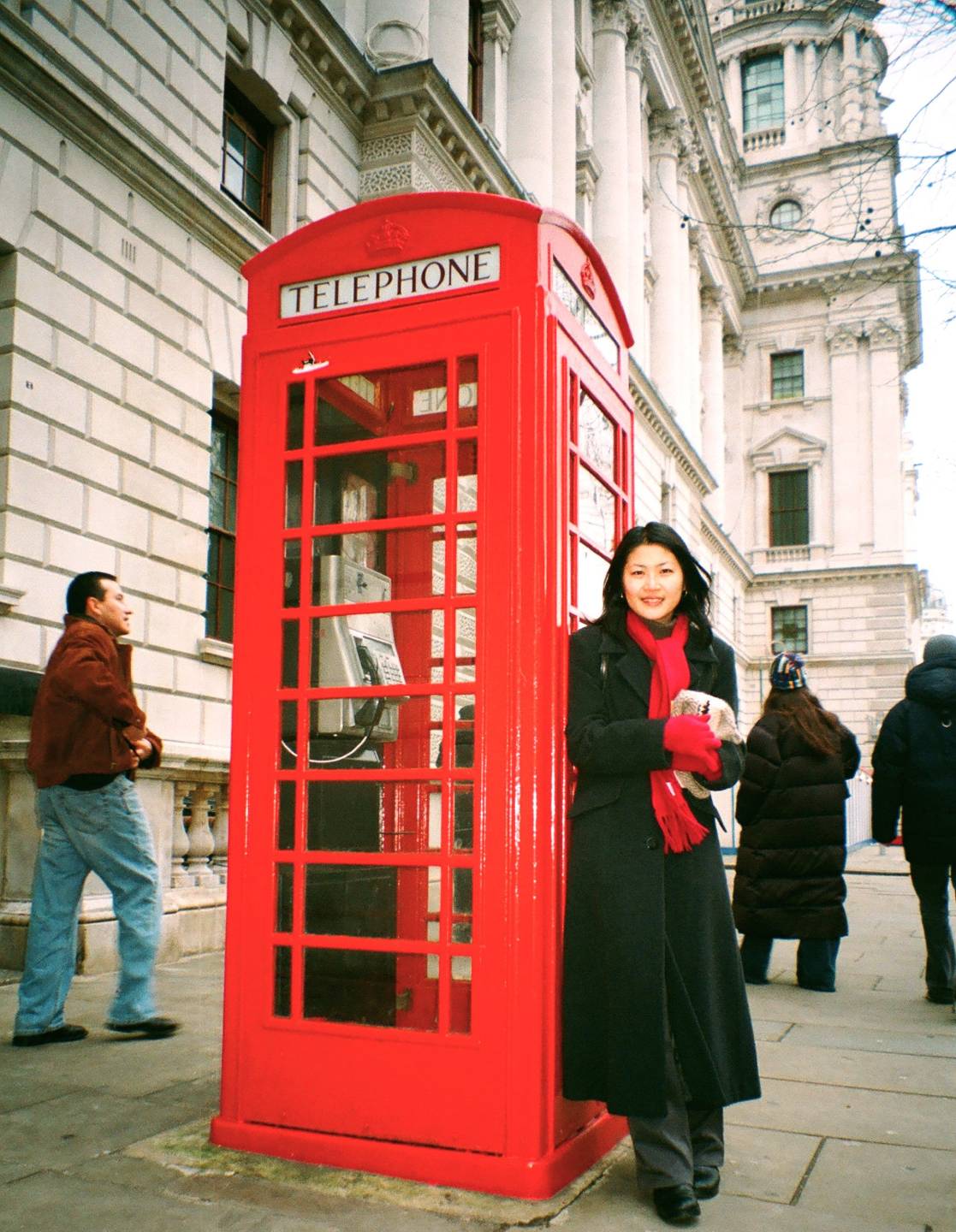
Walking into SOAS as a teacher was especially emotional for me. Years earlier, I had been a student there— studying, struggling, and dreaming about my future. I never imagined that one day I would return not as a learner, but as someone who would stand at the front of the classroom and teach SOAS students myself.
Realising that I had come full circle was quietly overwhelming. It felt like a moment when my past and present met in the same place, and I could see how far I had come.
7.2 Developing My Teaching Style
At first, I simply tried to keep up with the work. I wanted to do my best for my students, especially because they lived in a country where speaking Japanese in daily life was almost impossible.
So I designed lessons that allowed them to speak as much as possible. I created my own PowerPoint slides with illustrations, showing scenes that made students want to say something. I introduced grammar only after they had already felt “I want to express myself in this situation.”
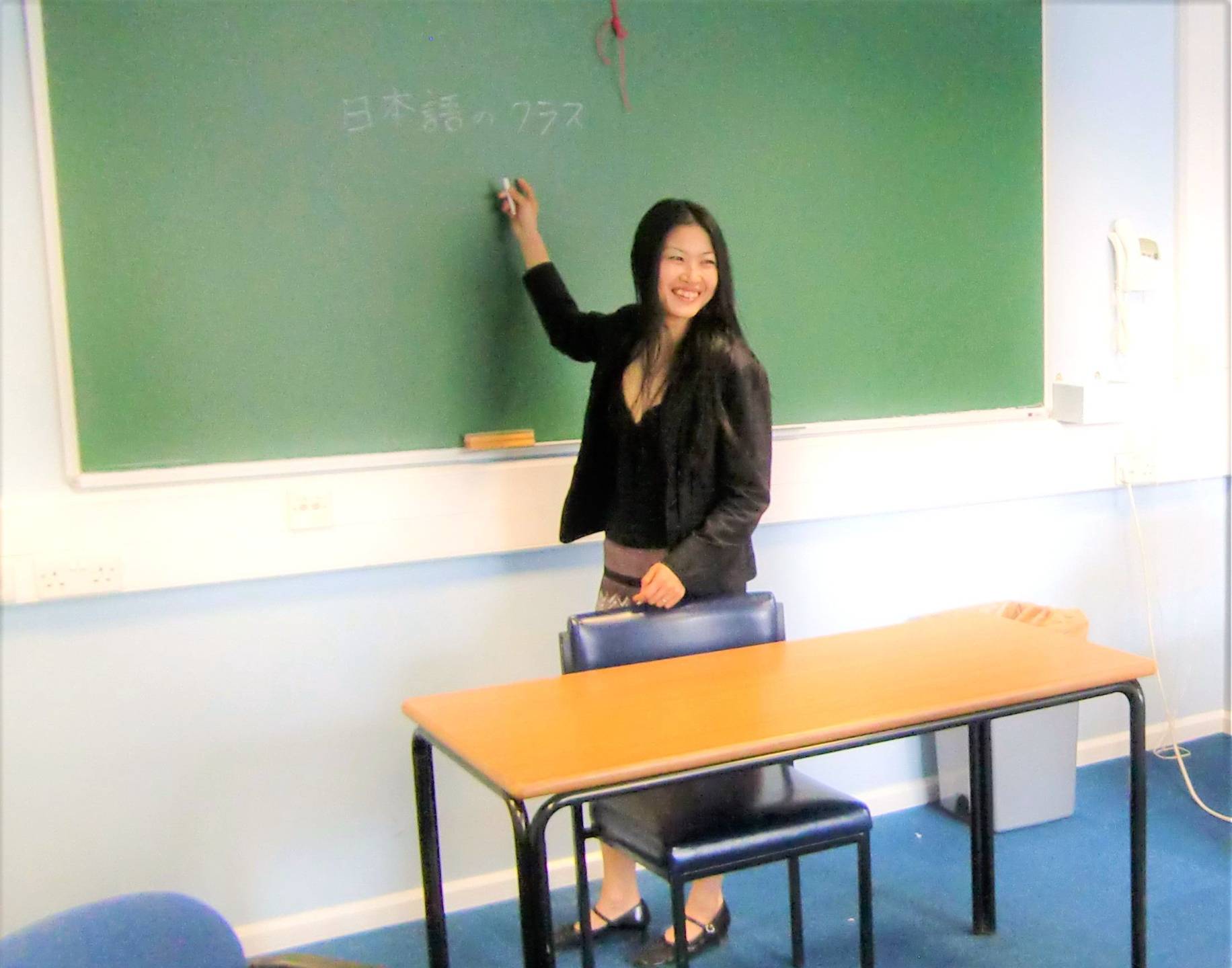
Then I asked them to think: “If this were your words, how would you say it in Japanese?”
This became the foundation of my teaching style— a style born from my own experience of struggling to speak English in Japan with no opportunities to practice.
I wanted my students to feel something I never felt: that even in the UK, they could speak Japanese.
7.3 Teaching Beyond the University
As I continued teaching at the universities, people outside the academic world began asking for lessons. I was introduced to professionals in London who wanted private Japanese lessons.
Their motivation surprised me. They were willing to pay high fees because they truly wanted to speak Japanese well. Their sincerity touched me deeply.
But around 2009, most qualified Japanese teachers in the UK were teaching only at universities. Private lessons were often taught by housewives or students living in London. There were very few teachers who had formal training in Japanese linguistics and university teaching experience.
When I realised this, I understood that I had something meaningful to offer. I had studied Applied Japanese Linguistics, taught at universities, and constantly improved my teaching through feedback from colleagues and students.
I felt a responsibility— and a calling— to support learners who wanted high‑quality lessons.
7.4 Expanding My Reach
As I taught more private students, something unexpected happened.
My students began recommending me to the organisations they worked for.
Suddenly, I was invited to teach:
- at the Foreign and Commonwealth Office,
- at Japanese companies in London,
- at the British Museum,
- and at Deloitte’s Japan team.
These opportunities came naturally, not because I searched for them, but because students felt that my lessons truly helped them communicate.
7.5 Understanding the Learner’s Struggle
Around this time, I also joined Spanish lessons in London. I was the only East Asian student in the class. The teacher and classmates were kind, but no one understood the cultural and linguistic gap I felt.
Through this experience, I realised something important: the way English speakers learn European languages is completely different from the way Japanese people learn them. The learning process, the mental barriers, and even the “starting point” are not the same.
This insight helped me understand my own students more deeply. British learners of Japanese face a similar gap— a cultural distance, a linguistic jump, and a psychological barrier that European language learners simply do not experience.
I also realised that the Communicative Approach, which is the mainstream method in applied linguistics, needs careful adjustment for Japanese language learners. If used without adaptation, it can unintentionally create blocks instead of removing them.
So I began designing lessons that supported both the mental and methodological sides of speaking:
- reducing psychological barriers,
- adjusting communicative tasks for Japanese,
- creating scenes that naturally evoke the desire to speak,
- and giving learners structured opportunities to express themselves in Japanese with confidence.
I saw my students grow. They understood Japanese communication more deeply. They smiled when they realised they could express themselves in Japanese. They felt proud. And I felt happy— truly happy— to support people who loved Japan enough to learn its language.
7.6 Looking Toward the Future
Teaching in London taught me something essential for me. I realised that Japanese language education was not only something I wanted to do at universities, but also something I wanted to offer to anyone who loved Japan and wished to connect with its people.
For many years, my teaching was limited to university classrooms and face‑to‑face lessons in London. But times have changed, and so has the way people learn languages.
Today, through online teaching, I can support learners not only in London but across the world. I hope to help more people discover the joy of speaking Japanese, understanding its culture, and feeling connected to Japan.
This has become my mission— and my happiness.
Chapter 8 — Opening My Teaching to the World
8.1 A Quiet Wish to Reach More Learners
After many years of teaching in London— in universities, companies, museums, and government offices— I began to feel something quietly growing inside me.
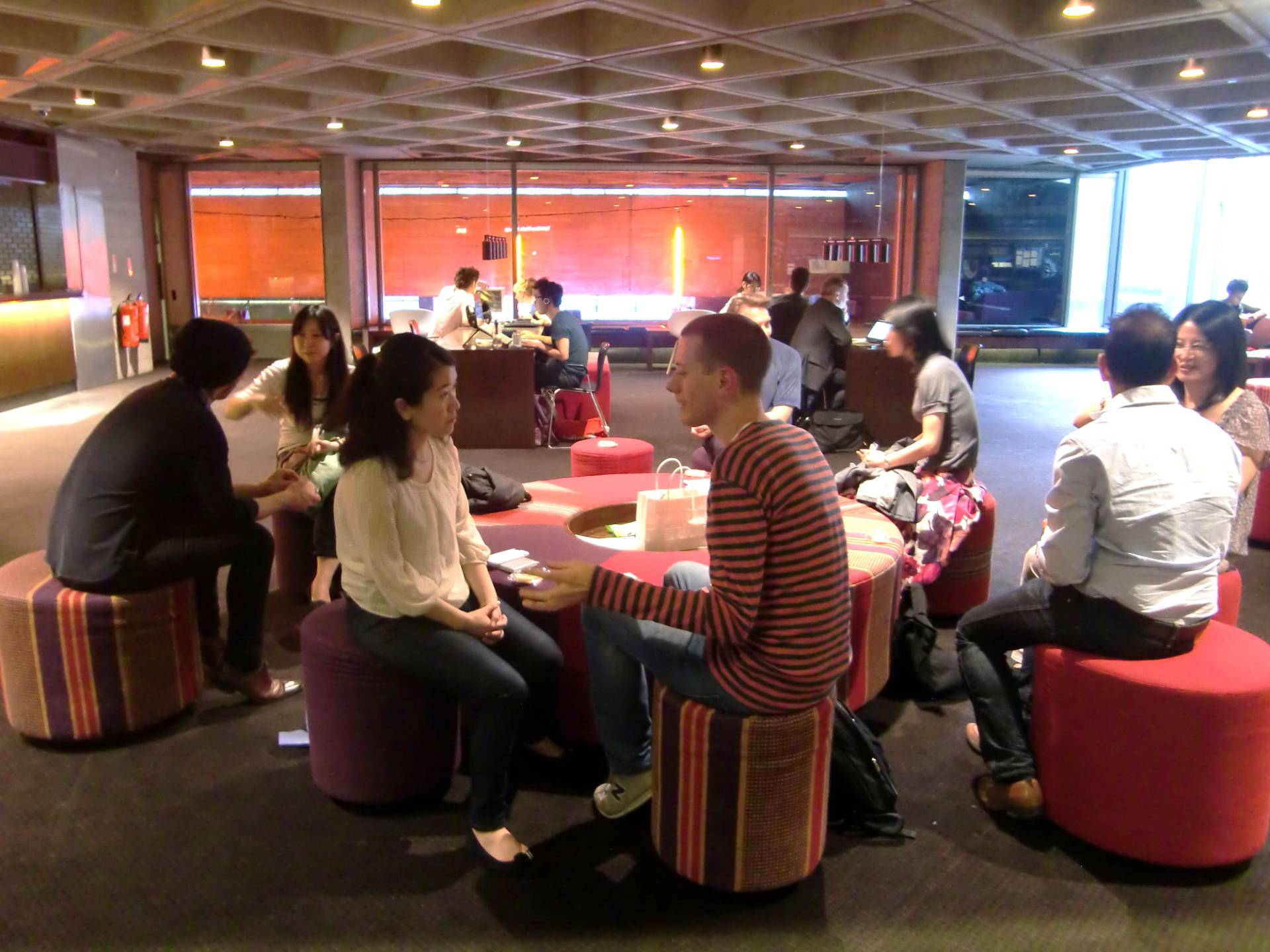
I wanted to support more learners. Not only those who could meet me in person, not only those who lived in London, but people from anywhere in the world who loved Japan and wished to speak its language.
For a long time, my teaching had been limited by place. In the early years, I taught only university students. Later, I taught professionals in London. Everything was still face‑to‑face, and my reach depended entirely on geography.
8.2 When the World Changed
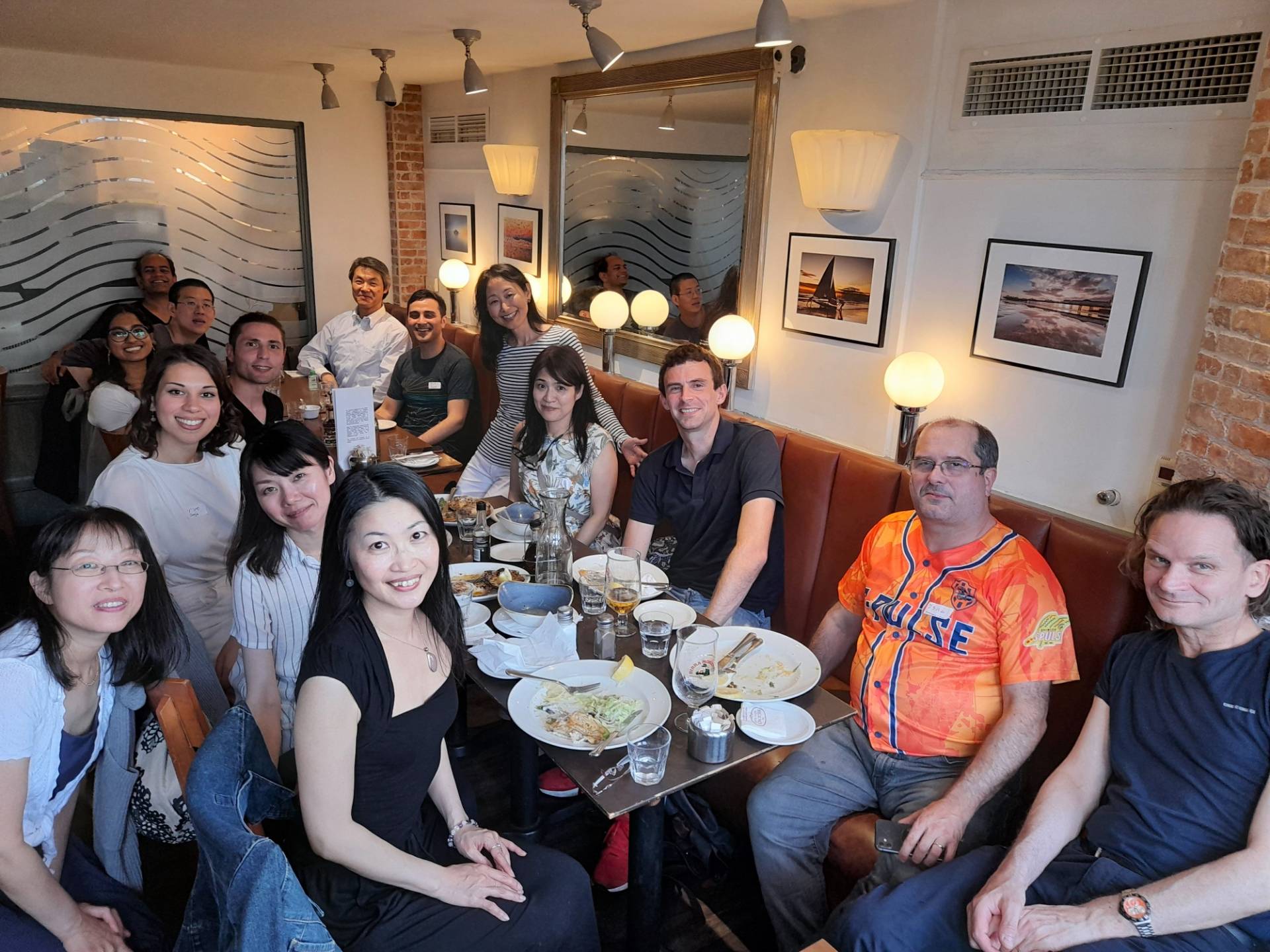
Then the world changed. People’s lifestyles changed. Everyone began carrying smartphones, online communication became natural, and learning no longer depended on being in the same city.
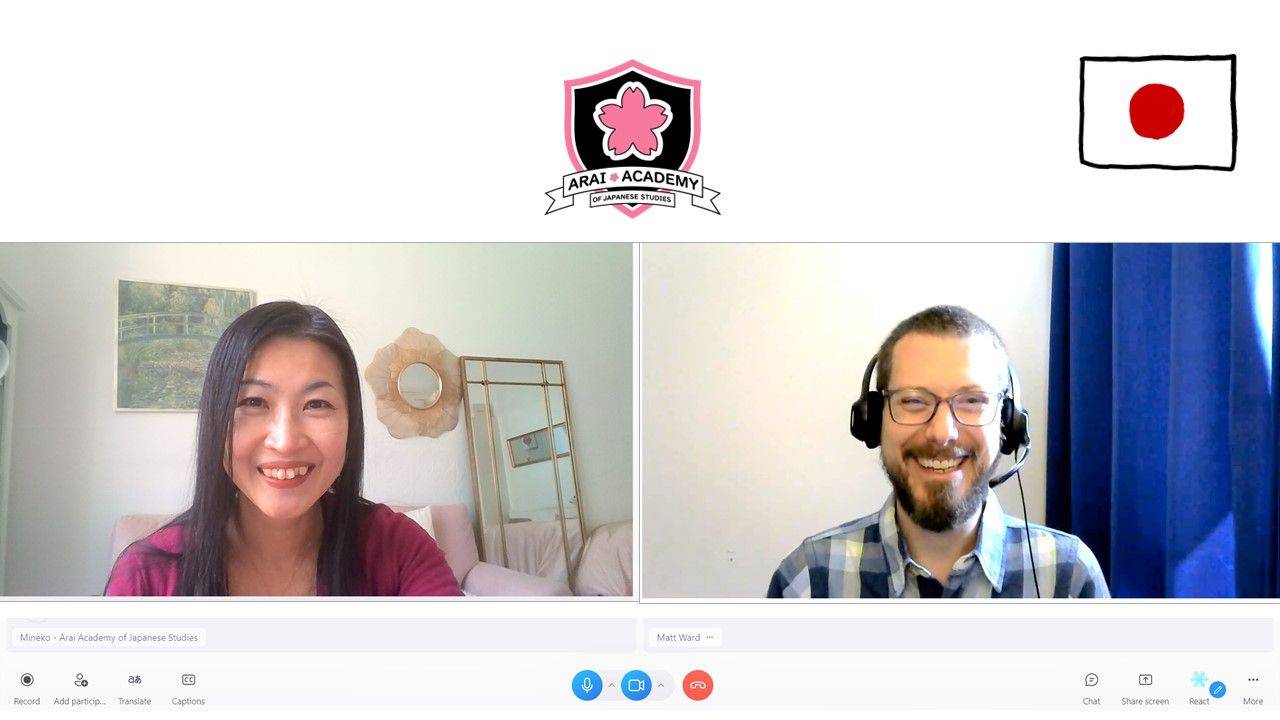
Suddenly, my students could join lessons from wherever they were— even from Japan. I still remember the moment when a CFO from Dentsu joined my lesson from Tokyo during a business trip. It was then I realised that the world had shifted, and Japanese language education had entered a new era.
8.3 The Quiet Limitation I Carried for Years
But there was another reason why online teaching felt essential for me.
For many years, I had felt a quiet limitation. There were only so many hours I could teach, and only so many private students I could support. Yet I wanted to help each learner grow at their own pace— yesterday a little less, today a little more. That gentle, individual progress was something I deeply valued.
Group lessons are useful for many learners, of course. But over the years, I met many learners who felt overwhelmed in groups, who needed more time to think, or who wanted to speak without pressure. I wanted to support those learners— the ones who thrive when they can move quietly, slowly, and steadily at their own rhythm.
8.4 Creating Something That Could Reach the World
So I decided to create something new. I transformed the PowerPoint lessons that had helped so many of my private students into an online, conversation‑focused programme that anyone in the world could access.
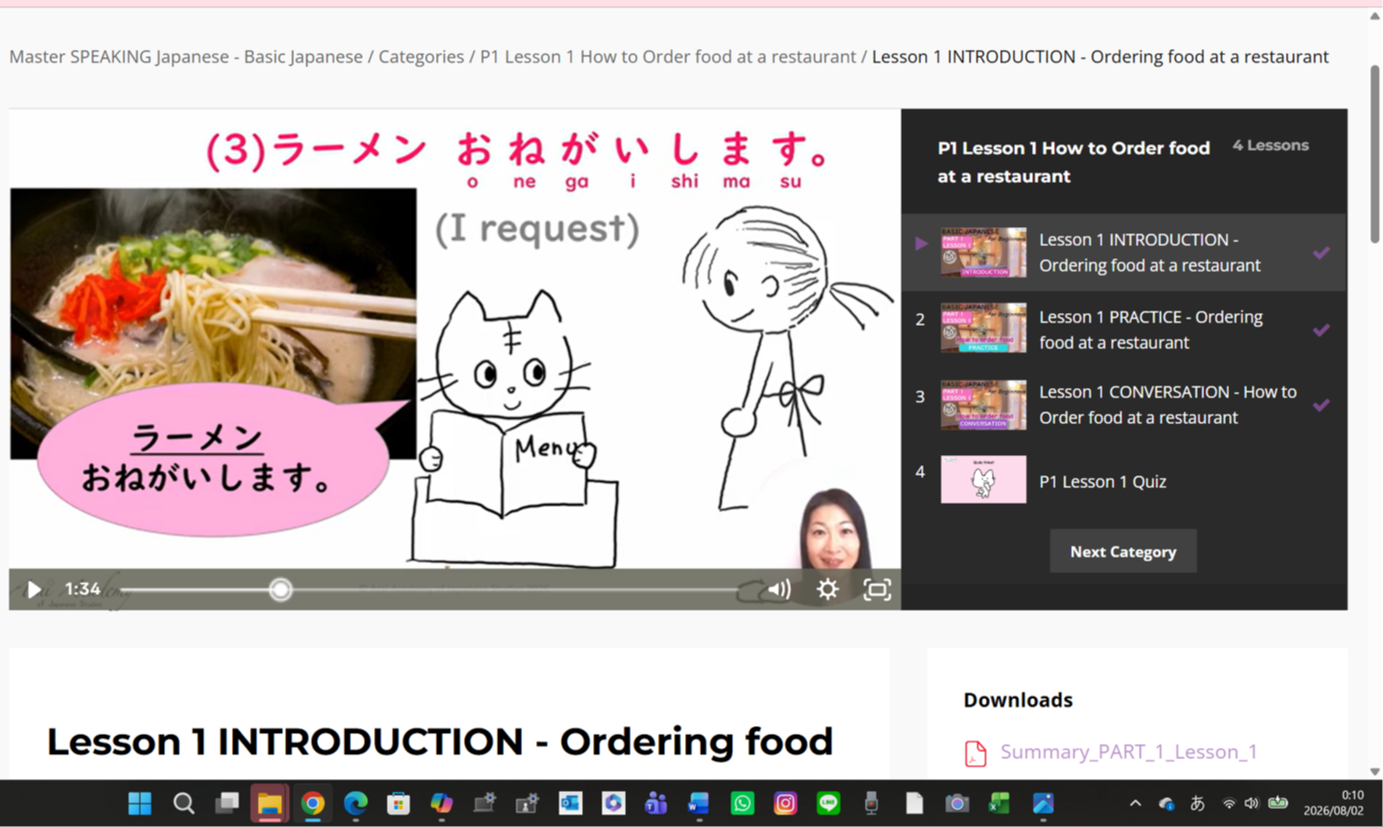
It was my way of giving learners the chance to grow at their own pace, with the same method I had used to help so many students finally speak Japanese.
This online programme is for those who love Japan, who want to speak Japanese, and who refuse to give up— even on days when progress feels slow. It is for the learners who keep trying, who show up again today, and who carry the quiet hope that one day they will speak confidently.
8.5 Opening My Teaching to the World
Today, through online teaching, I can support learners not only in London but across the globe. I hope to help more people discover the joy of speaking Japanese, understanding its culture, and feeling connected to Japan.
This is the future I want to create— and the mission I carry with me.
Chapter 9 — The Philosophy Behind My Teaching
9.1 The Moments That Shaped My Philosophy
As I walked through different cultures around the world, I witnessed countless moments:
the moment language begins to move, the moment the heart quietly closes, the moment misunderstanding appears, the moment connection is born.
I have lived through all of these. And through these experiences, I quietly realised something essential.
I always say Mind = Expression. Language begins in the heart, and what we think becomes our expression. This is why I always help learners understand the Japanese heart first, and then offer the phrases that express it.
9.2 When Philosophy Became Method
This philosophy did not stay as an idea. It slowly transformed into a method— a way of teaching that removes both mental and structural blocks for learners who want to speak Japanese.
All of my life experiences flow directly into Master Speaking Japanese, my online self‑study speaking course:
- heart‑connected communication
- learning methods designed for Japanese structure
- a system that prevents beginners from dropping out
- materials that help Western learners finally speak
- teaching that respects cultural differences
I created this method to support learners who struggle silently, who try again today, who refuse to give up.
9.3 Learning Café — A Space for Gentle Growth
Learning Café became the “space” where my philosophy could live.
A quiet space where learners can return, learn at their own rhythm, and feel supported without pressure.
A space where Japan Lovers around the world can breathe, learn, and grow.
Learning Café is also a gentle place where Japan lovers around the world can continue their life‑learning journey with support, calmness, and community.
I share my Kizuki there — small reflections on learning, culture, and the inner lens that shapes how we live with depth and express ourselves gently in our daily life.
If you’d like to stay close to your Japanese world in a quiet, meaningful way, you are warmly welcome.
9.4 My Message to Japan Lovers Around the World
This page here is an entrance where my heart and the hearts of future learners can meet.
I continue learning every day so that Japan Lovers around the world can express their hearts in Japanese— not perfectly, but honestly.
That is the world I want to help create.
9.5 Walking Into the Future
And my journey continues.
I will keep walking through cultures, learning the essence of heart‑to‑heart communication more deeply.
Next is Azerbaijan. Then Egypt. And oneday, Latin America.
I walk to understand the world, so I can support Japanese learners everywhere who want to speak Japanese and refuse to give up.
This is my mission.
And this is my story.
Because my life is a lifelong journey where the mind becomes expression.
Let’s grow together!
